Buying a used car can be exciting, but it can also feel a little stressful. You might find a vehicle that looks clean, drives well during the test drive, and seems like a good deal on paper. The photos look nice. The seller seems confident. The price may even be right where you hoped it would be. But a used car can hide a lot beneath the surface.
That is where a pre-purchase used car inspection comes in. Before you commit to buying the vehicle, our shop can take a closer look and help you understand what condition it is really in. The goal is not to scare you away from every used car. The goal is to give you clear, practical information so you can make a smart decision before money changes hands.
A pre-purchase inspection is especially helpful if you are buying from a private seller, an online marketplace, a small used car lot, or even a dealership. No matter where the car comes from, it is always better to know about problems before you own them.
Why a Pre-Purchase Inspection Matters
A test drive is helpful, but it is not enough. Some issues only show up when the vehicle is lifted in the air. Others require diagnostic equipment, a trained eye, or experience with wear patterns and common failure points.
A vehicle may feel fine around the block but still have oil leaks, worn suspension parts, uneven tire wear, rust concerns, brake problems, hidden accident damage, or maintenance that has been skipped for too long. Even if the car is still driveable, these issues can affect safety, reliability, and the true cost of ownership.
A pre-purchase inspection can help you answer important questions, such as:
- Is this vehicle safe to drive?
- Does it need major repairs soon?
- Has it been maintained well?
- Are there signs of leaks, damage, or neglect?
- Is the asking price fair based on its condition?
- Should I buy it, negotiate, or walk away?
Used cars are not expected to be perfect. A few maintenance items may be normal depending on age and mileage. What matters is knowing what you are getting into.
Visual Inspection of the Vehicle
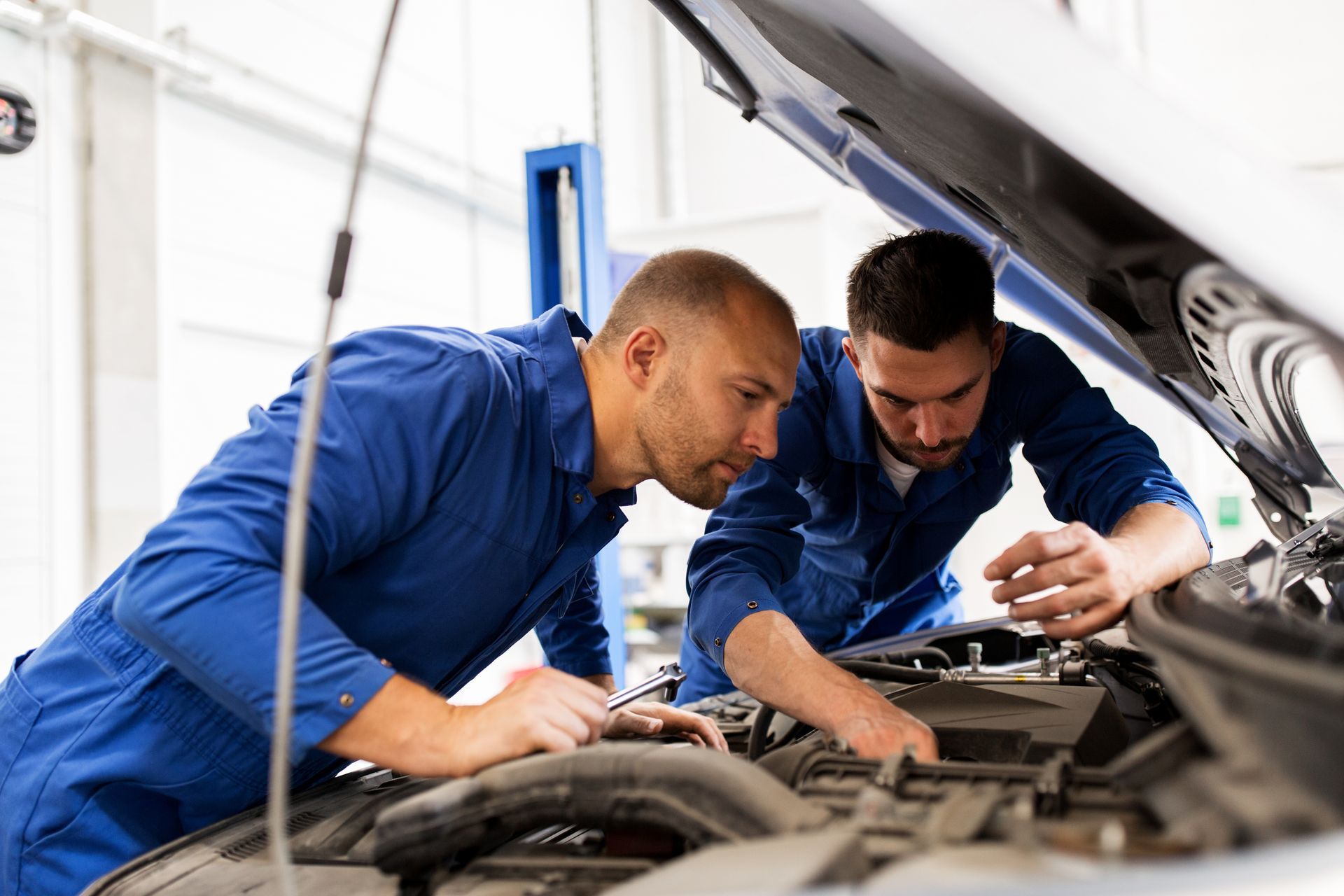
One of the first things we do is look over the vehicle carefully. This includes the exterior, interior, underbody, engine bay, tires, and visible components. We are checking for signs that may point to previous damage, poor repairs, fluid leaks, corrosion, or wear that the seller may not have mentioned.
On the outside, we may look for body panel alignment, paint differences, cracked lights, damaged mirrors, windshield chips, or signs of prior collision repair. Inside the vehicle, we check general condition, seatbelts, warning lights, controls, windows, locks, climate controls, and signs of water damage or unusual wear. A clean car is nice, but clean does not always mean well maintained. We look past the shine and focus on condition.
Fluid Checks
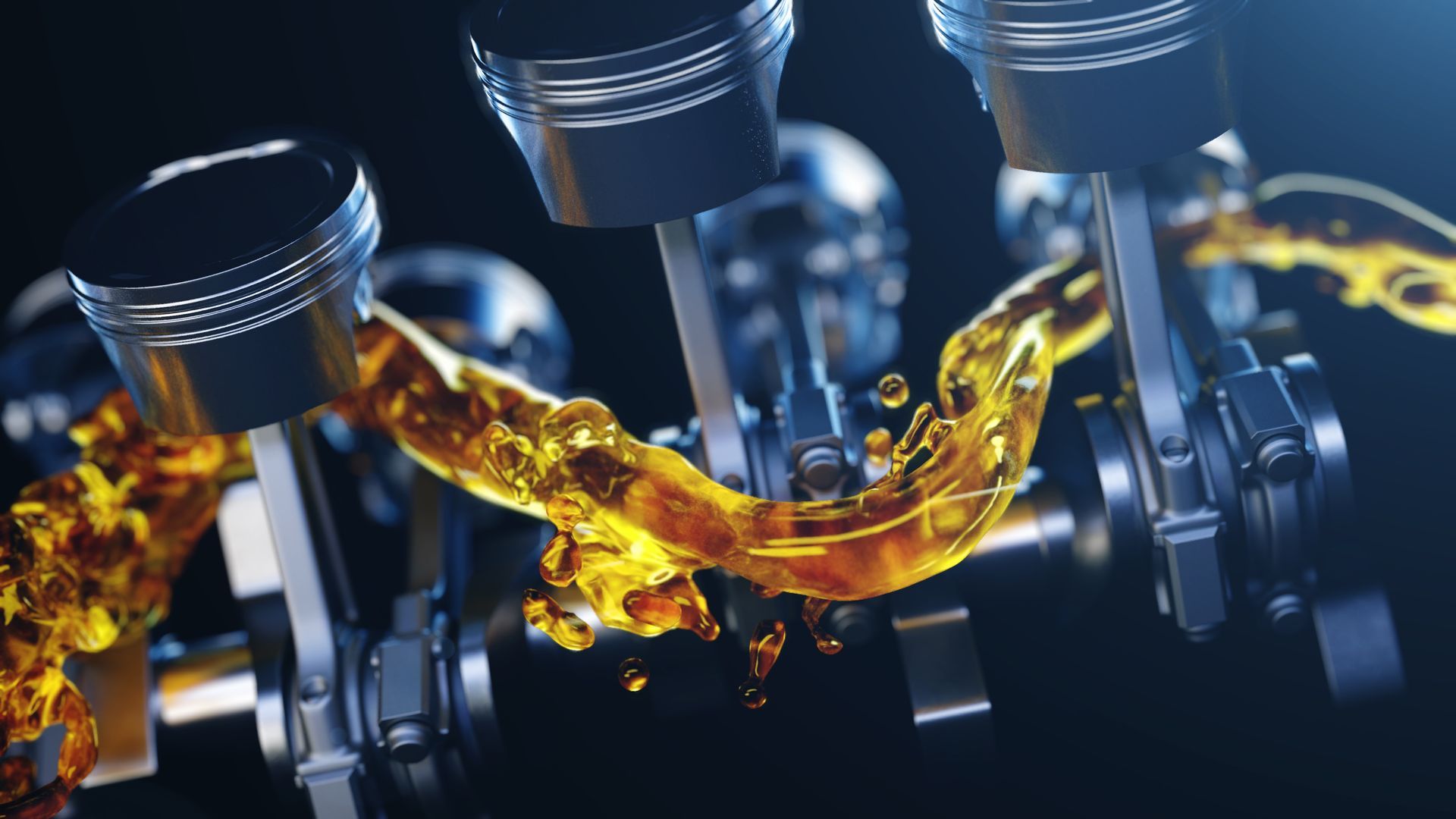
Fluids tell us a lot about how a vehicle has been cared for. During a pre-purchase inspection, we check the condition and level of key fluids when accessible. This may include engine oil, coolant, brake fluid, power steering fluid, transmission fluid, and windshield washer fluid.
Low, dirty, burnt, contaminated, or leaking fluids can be warning signs. For example, dark or sludgy oil may suggest overdue maintenance. Coolant leaks can point to radiator, hose, water pump, or head gasket concerns. Brake fluid condition can give us clues about moisture contamination and brake system care. Fluid condition alone does not tell the whole story, but it is an important part of the overall picture.
Engine and Transmission Inspection
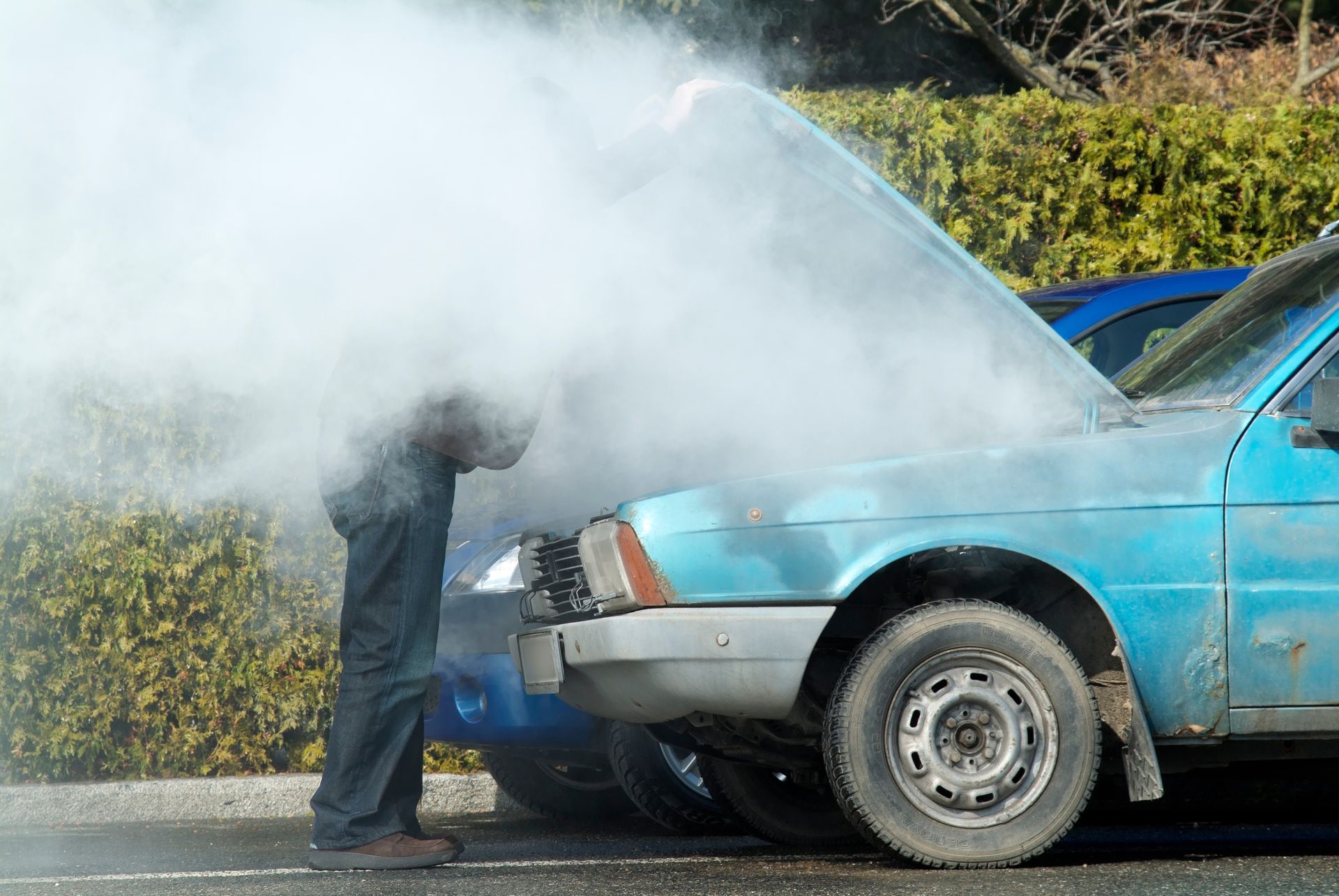
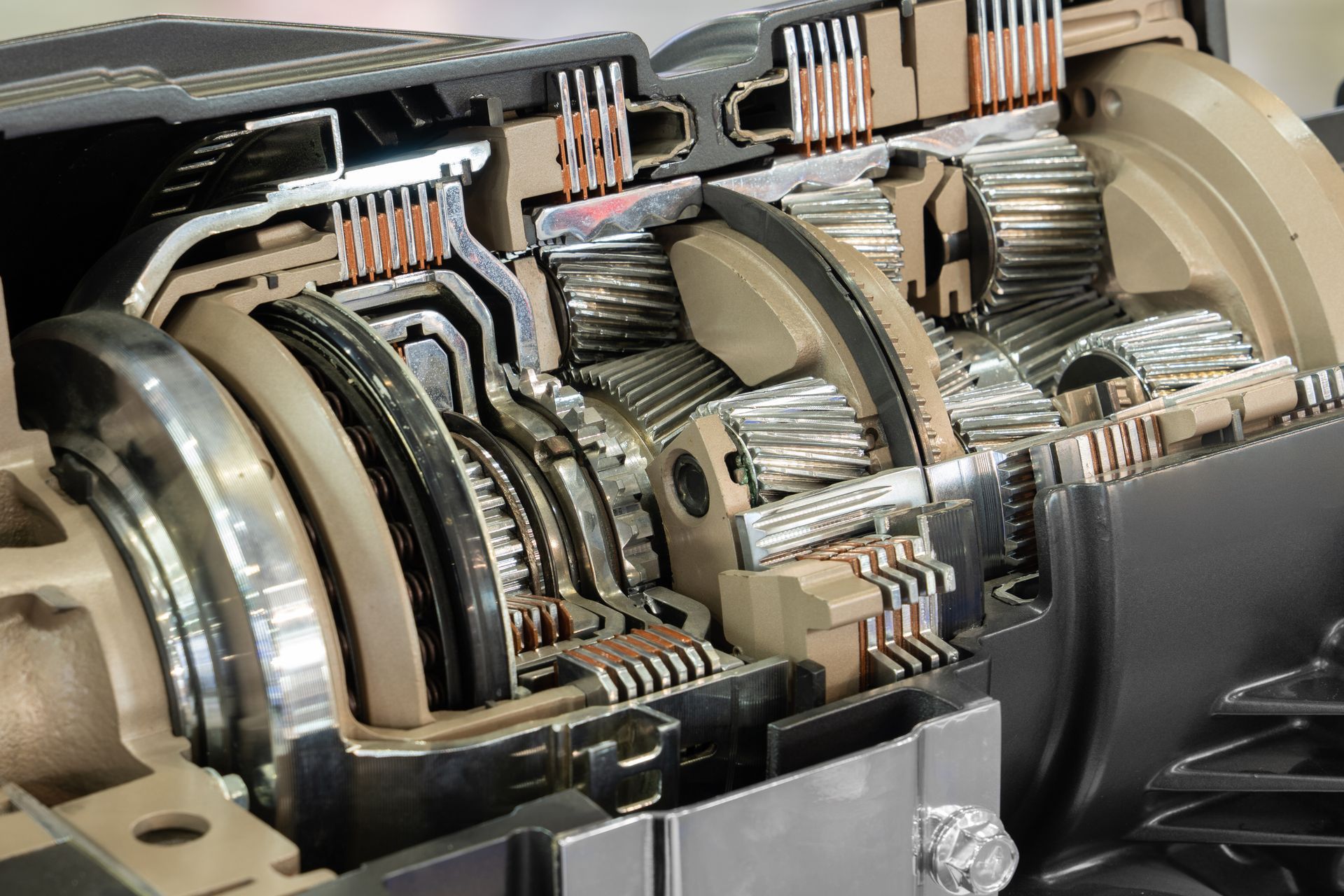
The engine and transmission are two of the most expensive areas to repair, so we pay close attention to how they look, sound, and perform. We check for leaks, unusual noises, rough idle, delayed engagement, harsh shifting, vibrations, exhaust smoke, and signs of poor maintenance.
We may inspect belts, hoses, mounts, visible gaskets, and other accessible components. We also listen for knocking, ticking, whining, or rattling sounds that may need further diagnosis.
The transmission is another major concern on used vehicles. A short test drive may not reveal every issue, but we can look for symptoms such as slipping, delayed shifting, hard shifts, shuddering, or fluid concerns when applicable.
Brake System Check
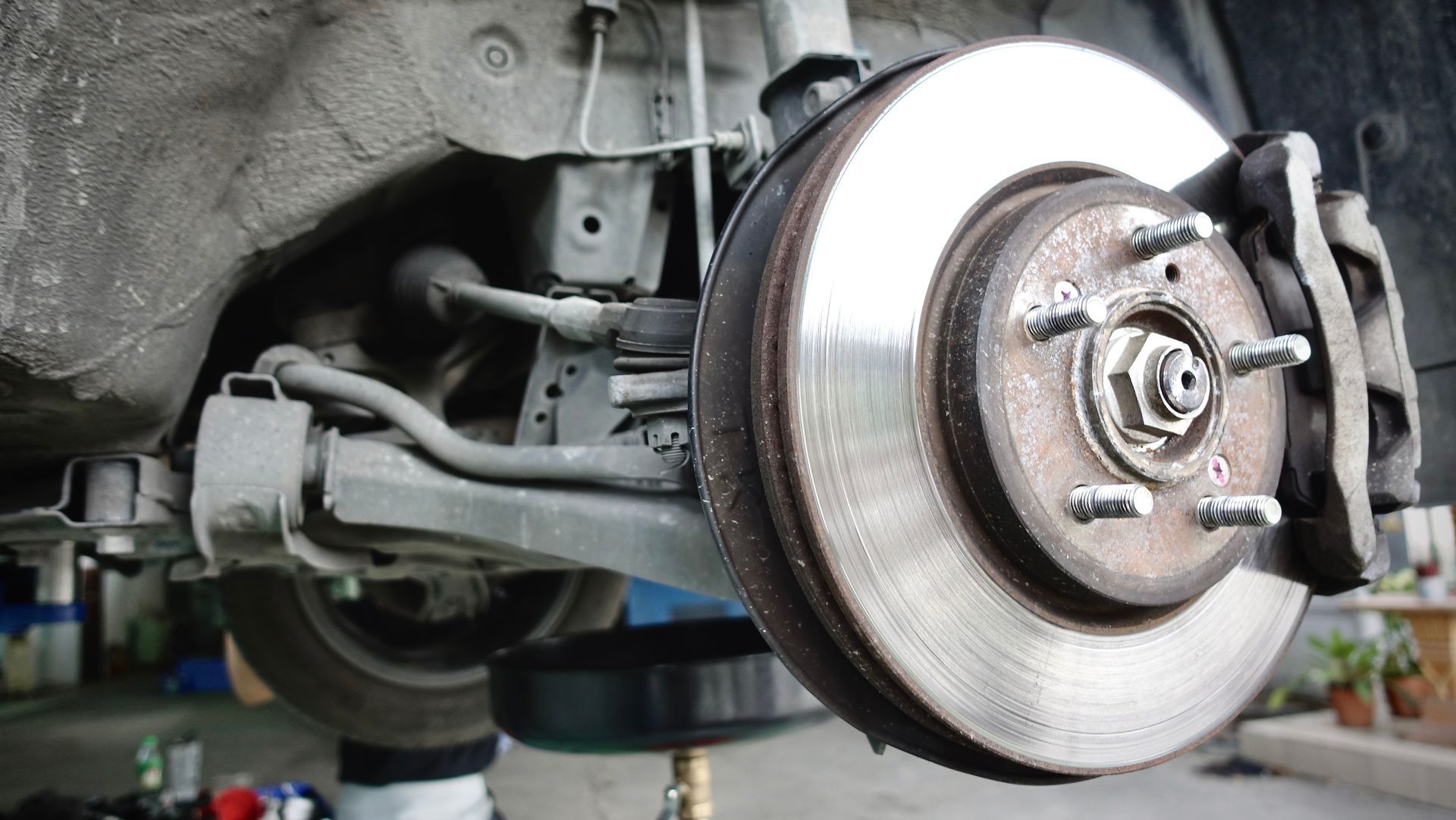
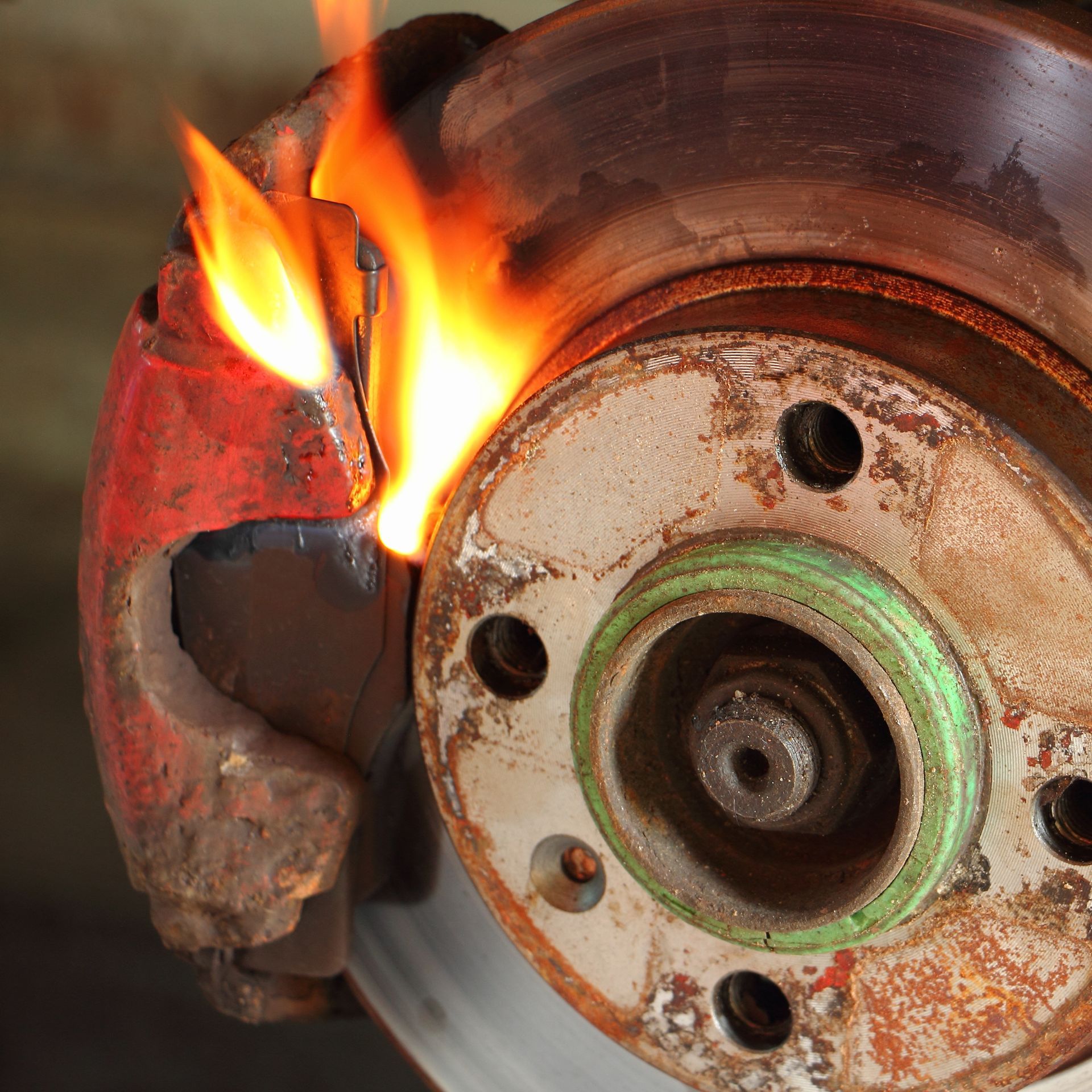
Brakes are a major safety item, so they are always part of a used car inspection. We check the brake pads, rotors, calipers, hoses, and visible brake lines as accessible. We also look for uneven wear, grooves, rust, leaks, or signs that a brake repair may be needed soon.
Some sellers will say the brakes are good, but good can mean different things to different people. We look at actual condition and remaining life as closely as possible. If the vehicle needs brakes soon, that can affect your buying decision and your budget.
Tires and Wheel Condition
Tires can reveal more than many buyers realize. We inspect tread depth, tire age, uneven wear, sidewall damage, mismatched tires, and signs of alignment or suspension issues.
Uneven wear may suggest the vehicle needs an alignment, has worn steering or suspension parts, or has been driven for a long time with improper tire pressure. Tires can also be a major expense right after purchase, especially if all four need to be replaced.
We also look at the wheels for visible bends, cracks, curb damage, or other concerns that could affect ride quality and safety.
Steering and Suspension Inspection
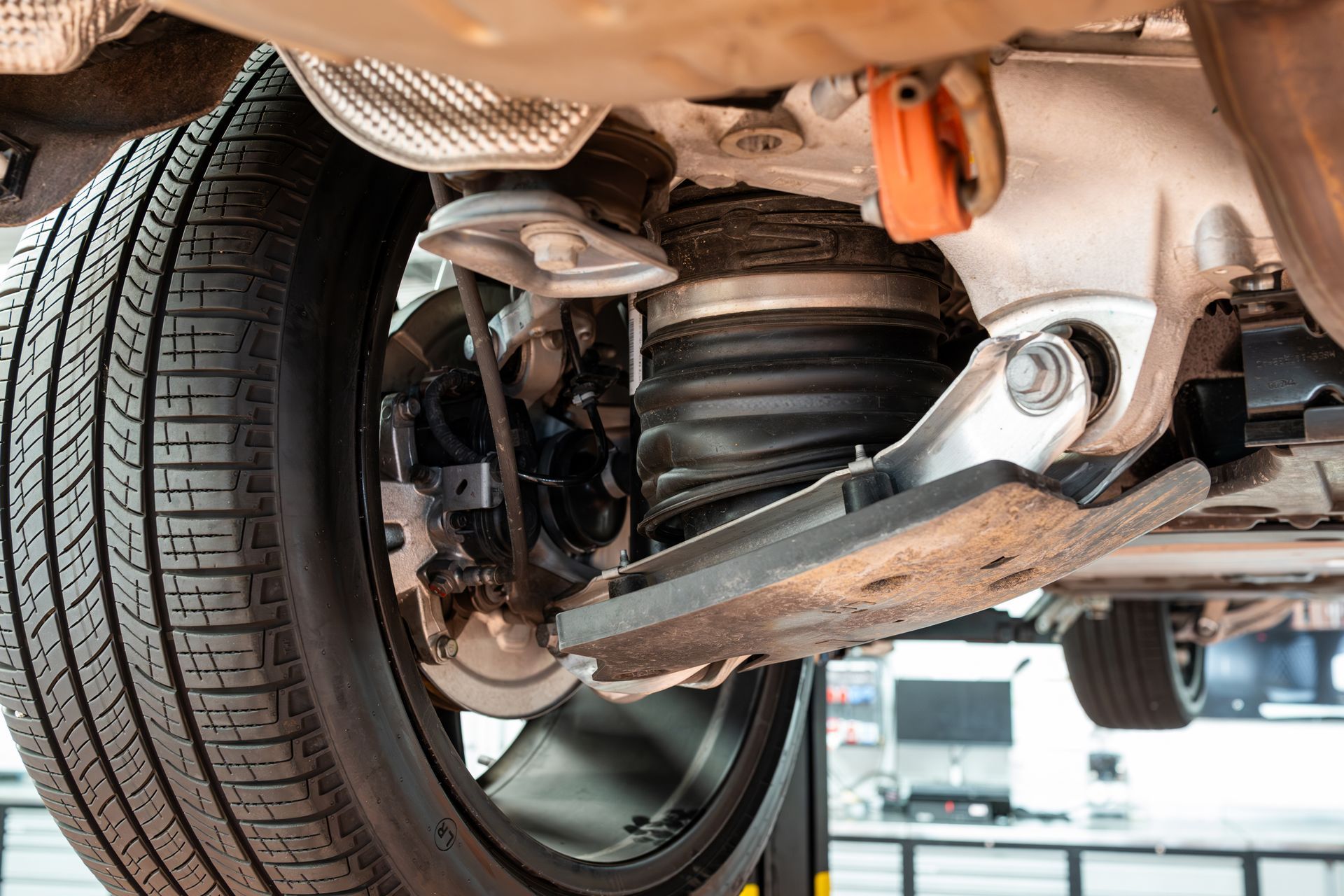
The steering and suspension system affects how the vehicle handles, rides, brakes, and keeps the tires in contact with the road. During the inspection, we check components such as ball joints, control arms, tie rods, struts, shocks, bushings, sway bar links, and other related parts when accessible.
Worn suspension parts can cause clunking noises, drifting, vibration, uneven tire wear, poor handling, and longer stopping distances. These problems are not always obvious during a quick test drive, especially if the road is smooth. When we inspect underneath the vehicle, we can often spot wear or looseness before it turns into a larger repair.
Undercarriage and Rust Inspection
The underside of a vehicle can tell an important story. We look for fluid leaks, damaged components, rust, corrosion, exhaust problems, loose shields, and signs of previous repairs.
Rust is especially important in areas where road salt, moisture, or coastal air can affect vehicles. Some surface rust may be normal on an older car, but structural rust or heavy corrosion can be a serious concern. Rusted brake lines, fuel lines, suspension mounting points, and frame areas should never be ignored.
Diagnostic Scan and Warning Lights
Modern vehicles rely on computers, sensors, and modules to manage everything from engine performance to safety systems. As part of the inspection, we can scan the vehicle for diagnostic trouble codes when appropriate.
A dashboard with no warning lights is a good sign, but it does not always mean there are no stored codes. Sometimes codes are pending, recently cleared, or related to systems that do not turn on a light right away.
We may check for engine, transmission, ABS, airbag, traction control, and other system codes depending on the vehicle. This helps us identify hidden concerns that may not be obvious during the test drive.
Road Test
A road test helps us feel how the vehicle behaves in real driving conditions. We pay attention to acceleration, braking, steering feel, shifting, alignment pull, vibrations, noises, ride comfort, and overall drivability.
We are not just driving to see if the car moves. We are listening, feeling, and comparing what we notice with what we saw during the inspection. Sometimes a small noise during the road test leads us back to a specific component on the lift.
Maintenance and Repair Recommendations
After the inspection, we explain what we found in a way that is easy to understand. Some items may be urgent safety concerns. Others may be maintenance needs coming up soon. Some may simply be things to monitor.
This information can help you decide whether to move forward with the purchase, negotiate the price, ask the seller to repair something first, or keep looking. A good used car can still have a few needs. The key is knowing whether those needs are reasonable or a sign of bigger trouble.
Schedule a Pre-Purchase Inspection Before You Buy
A used car is a big purchase, and guessing can get expensive. Before you sign paperwork or hand over payment, let our team at
Marietta Auto Repair in Marietta, Georgia inspect the vehicle and give you a clearer picture of its condition.
Schedule your pre-purchase inspection with us today and buy your next used car with more confidence.