
Modern adjustable suspension systems can make a vehicle feel remarkably adaptable. With the push of a button, the ride height may change for highway driving, extra ground clearance, easier entry, or different driving modes. Behind those changes is a network of sensors constantly telling the suspension control module where the body sits in relation to the wheels.
When those readings become inaccurate, the vehicle may sit unevenly, raise or lower itself unexpectedly, display a suspension warning, or refuse to adjust at all. The problem can involve the sensor itself, but the linkage, wiring, calibration, suspension geometry, and even recent repairs can all influence the information the system receives.
How Ride Height Sensors Work
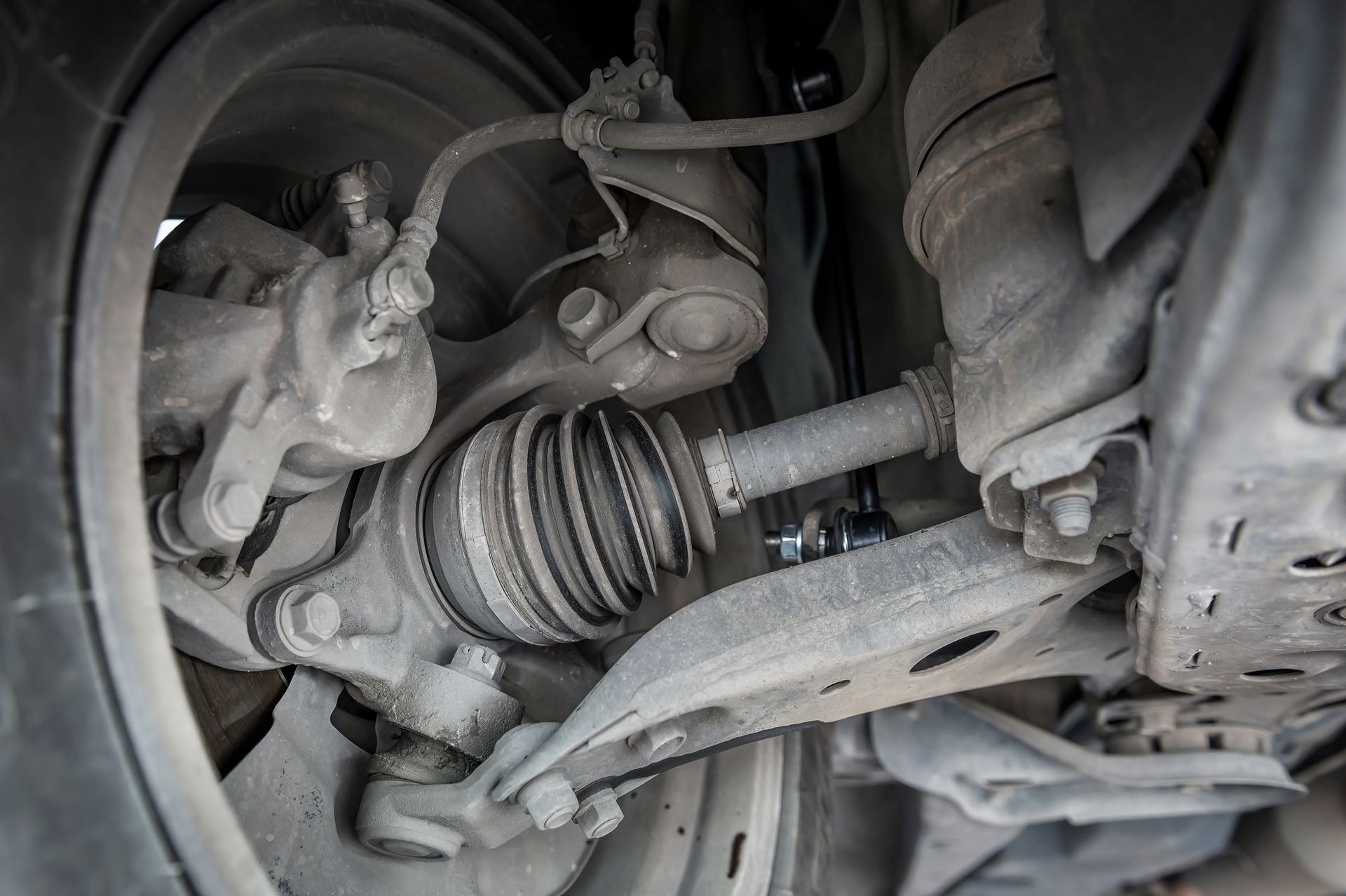
Ride height sensors are usually mounted between the vehicle body or frame and a moving suspension component. A small linkage or arm moves as the suspension travels up and down, allowing the sensor to report that corner's relative position.
The suspension control module compares those signals with programmed reference values. On air suspension and other electronically adjustable systems, the module may then command air springs, compressors, valves, or electronic dampers to make corrections.
A Damaged Sensor Linkage Can Create a False Reading
The sensor itself may be working perfectly while the small linkage connecting it to the suspension is bent, loose, disconnected, or installed incorrectly.
Because the linkage determines how suspension movement is translated into sensor movement, even a small change can make the system believe the vehicle is sitting higher or lower than it really is. Road debris, corrosion, suspension repairs, and accidental contact during other service can all damage these lightweight components.
Common signs of linkage trouble include:
- One corner sitting noticeably high or low
- A suspension warning appearing after repair work
- Ride height changing unexpectedly
- A sensor arm sitting at an unusual angle
- A loose or disconnected linkage rod
- The vehicle refusing to complete a height adjustment
A visual inspection can sometimes identify these problems before more involved electrical testing is needed.
Sensor Wear or Internal Failure Can Distort the Signal
Ride height sensors contain internal electrical components that change their output as the suspension moves. Over time, wear inside the sensor can make the signal erratic or create dead spots.
The sensor may still provide some information, which can make the problem intermittent. A vehicle may adjust correctly on one drive and show a warning on the next. Technicians can compare sensor readings through a scan tool while moving the suspension through its range to see whether the output changes consistently.
Corrosion and Water Intrusion Can Affect the Connector
Height sensors are mounted low on the vehicle, where they are exposed to rain, road spray, dirt, salt, and temperature changes. That is a difficult environment for small electrical connectors.
Corroded terminals can increase resistance or interrupt the sensor signal. Water inside a connector may also cause readings to jump or disappear completely. Simply replacing the sensor will not solve the problem if damaged wiring or corrosion remains in the circuit.
Technicians may inspect connector pins, wiring insulation, power supply, ground, and signal circuits when sensor data does not match the actual vehicle position.
Suspension Repairs Can Change Sensor Position
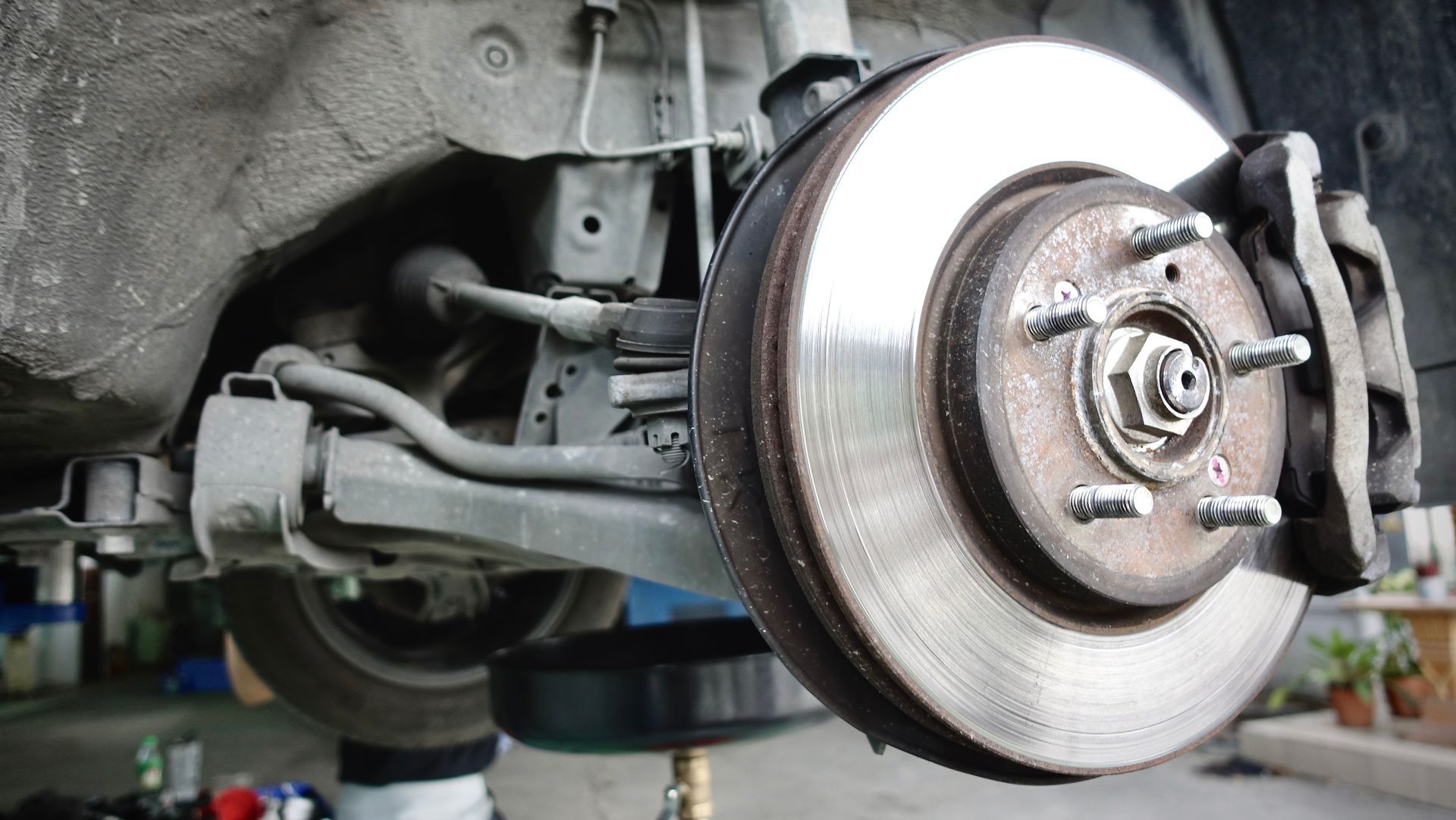
Replacing control arms, links, air springs, struts, or other suspension parts can change how a ride height sensor sits relative to the suspension. A sensor linkage may also need to be removed temporarily to perform the repair.
If the linkage is reattached in the wrong position or the suspension geometry changes, the sensor may no longer report the same value at normal ride height. This can cause the control module to interpret a mechanically correct vehicle position as too high or too low.
For this reason, adjustable suspension systems sometimes require calibration or ride height initialization after certain repairs.
Wheel Alignment and Ride Height Are Connected
Ride height can influence wheel alignment because suspension angles change as the body moves up or down. The relationship also works in the other direction: worn or incorrectly positioned suspension components can affect the physical reference the ride height sensor is using.
If the vehicle has recently had suspension work, wheel alignment, or a change in ride height, the sensor values may need to be checked as part of the overall repair. Adjusting the electronic system without correcting mechanical wear first can lead to inaccurate results.
Air Suspension Leaks Can Make Sensor Readings Look Wrong
Sometimes the ride height sensor reports accurately, but the actual suspension height changes because of an air leak.
A leaking air spring, valve block, line, or fitting can allow one corner to settle after the vehicle is parked. The sensor then reports that low position correctly, but the system may respond by running the compressor more frequently to compensate.
This distinction is important because replacing the height sensor will not repair an air leak. Technicians need to compare commanded height, actual height, sensor data, and air system operation before deciding which component is responsible.
Incorrect Calibration Can Affect the Whole System
Many electronically controlled suspension systems store reference values for normal ride height. If those values are lost or entered incorrectly, the control module can make adjustments based on the wrong starting point.
Calibration may be needed after sensor replacement, certain suspension repairs, body work, alignment procedures, or changes involving vehicle ride height. The exact process depends on the manufacturer and may require precise physical measurements along with a capable scan tool.
Entering incorrect measurements during calibration can cause a vehicle to sit unevenly, even if the sensors and mechanical components are functioning properly.
Vehicle Load Can Influence Ride Height Readings
Cargo, passengers, trailer tongue weight, and uneven loading can all change how the suspension sits. Adjustable systems are designed to account for some of these changes, but testing should be done under the conditions specified by the manufacturer.
A vehicle heavily loaded on one side can produce readings that look unusual when compared with an unloaded specification. Technicians may need the vehicle on level ground, with correct tire pressures and a defined load condition, before judging whether a sensor value is truly incorrect.
How Technicians Test Ride Height Sensor Problems
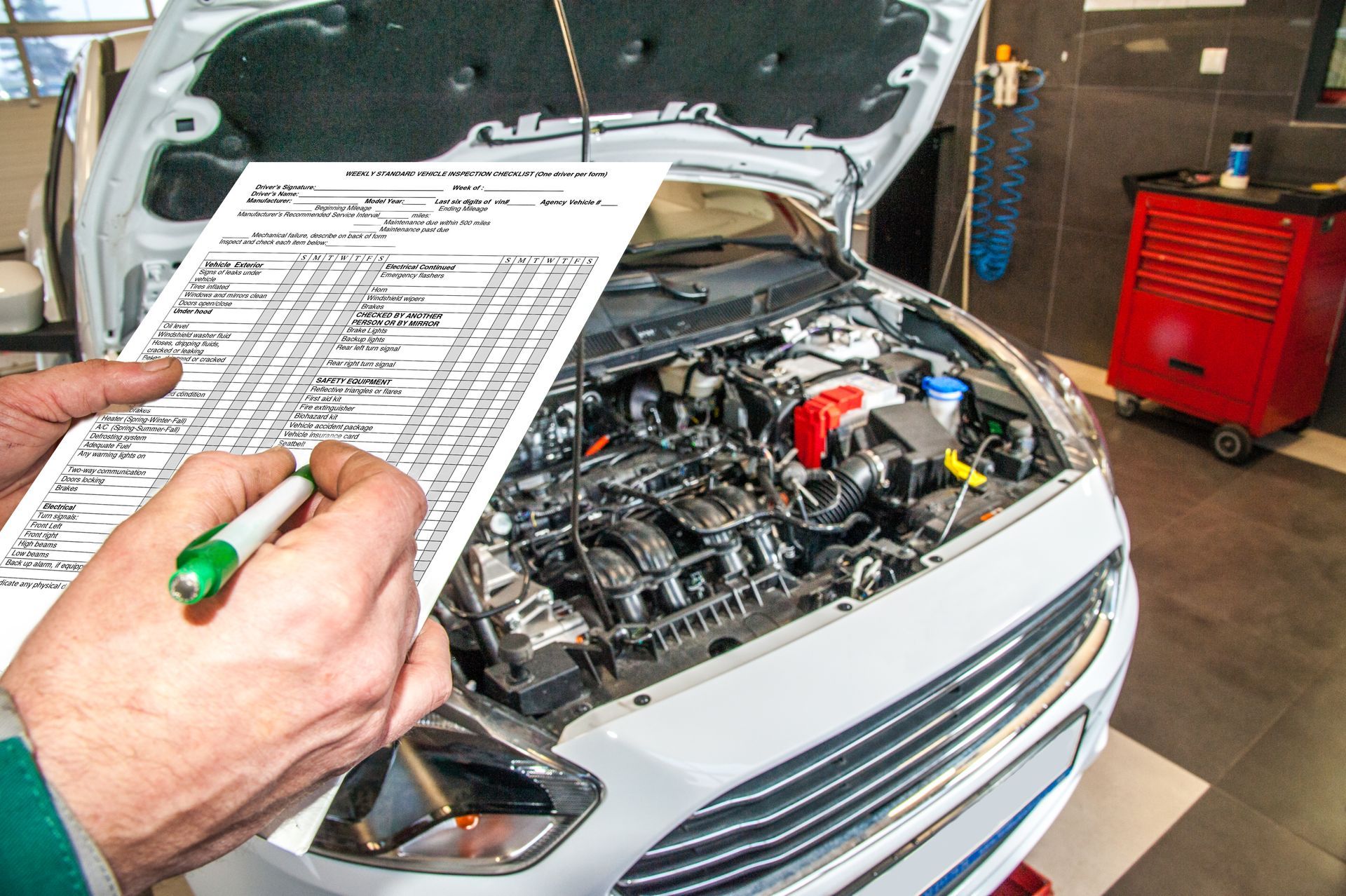
Testing usually begins by comparing the actual physical height of the vehicle with the values being reported electronically. Scan data can show what each sensor is telling the suspension module while measurements confirm where the body actually sits.
From there, technicians may inspect sensor linkages, check wiring and connectors, test sensor movement, look for air suspension leaks, and verify calibration. This process helps separate a bad sensor from a mechanical or electrical problem that is simply causing the sensor data to look suspicious.
Get Adjustable Suspension Service in Marietta, GA, With Marietta Auto Repair
Marietta Auto Repair in Marietta, GA, can inspect ride height sensors, linkages, wiring, air suspension components, and calibration when an adjustable suspension begins sitting unevenly or displaying warnings.
If your vehicle no longer maintains the expected ride height or behaves differently after suspension work,
contact us to schedule an inspection and service.