Smoke Under Your Car's Hood? Here's What It Could Mean

December 19, 2025

Seeing smoke coming from under your hood can be pretty unnerving. Sometimes it is a minor issue like a fluid dripping on a hot surface, and other times it is a sign that something is overheating or failing fast. The trick is knowing what you are looking at and how urgently you need to respond, without guessing your way into more damage.


Why Smoke Under the Hood Deserves Quick Attention


Any visible smoke from under the hood usually means heat and fluid are meeting where they should not. That might be oil dripping onto the exhaust, coolant escaping onto a hot engine, or wiring or plastic starting to overheat. Even if the car still drives normally, something is already out of place.


Ignoring it can lead to more than a stain on the driveway. Ongoing leaks can damage rubber hoses, wiring insulation, and sensors. In worst cases, the same problem that is causing the smoke can lead to overheating or even a small under-hood fire. Treat smoke as a signal to back off, not a background detail.


Common Causes of Smoke Under the Hood


Most smoke sources fall into a few familiar categories. Oil leaks that drip onto the exhaust manifolds or pipes are very common. You might see light, bluish, or gray smoke and smell that burnt oil odor while stopped at a light. Valve cover gaskets, oil filter housings, and oil cap or dipstick issues are frequent culprits.


Coolant leaks are another big one. When coolant hits a hot surface, you usually get lighter white steam with a sweet smell. That might come from a cracked plastic tank, hose, or a small leak at the radiator or heater hoses. Electrical problems, like a failing component or melted wiring, tend to produce more acrid, plastic-like smoke and a sharp smell you will not mistake for oil or coolant.


Color, Smell, and Location: Clues You Can Use


You do not need to be a technician to gather useful clues safely. Once the engine is off and things have calmed down a bit, note:


Color: White, blue-gray, or dark gray all hint at different fluids.

Smell: Sweet often points toward coolant, oily or burnt smells suggest oil, sharp chemical or plastic smells lean toward electrical issues.

Location: Smoke only from one side, the front, or near a specific corner of the hood, often lines up with certain components.


You do not need to open a hot radiator or poke around near moving parts. Just observing what you see and smell, and when it happens, gives us a head start when you bring the car in.


When Is It Safe to Ease Off vs. Stop Right Away


Not every puff of smoke calls for slamming to a stop, but some situations absolutely do. If you see heavy smoke, smell something burning strongly, or notice the temperature gauge climbing, the safest move is to pull over as soon as you can do it safely and shut the engine off. Steam combined with a hot coolant light means you should not keep driving.


Light smoke that appears briefly after a small spill, such as oil spilled during a recent oil change, might clear up and never return. If the car drives normally, the temperature gauge stays in its usual range, and the smoke disappears quickly, you may be dealing with residue burning off. Even then, mentioning it at your next visit is smart, so we can make sure nothing is leaking. When in doubt, treat the first event as a warning and have it checked.


Owner Mistakes That Turn Small Issues Into Big Problems


A few understandable reactions can make things worse. Continuing to drive a long distance with smoke visible, especially with any warning lights on, risks overheating and serious engine damage. Opening a hot radiator cap to “let pressure out” can cause burns and does nothing to fix the root cause.


Splashing water on a hot engine or electrical area is another problem we sometimes see. It can crack hot parts and does not really solve anything. The better approach is to shut the car off, let it cool, and then arrange for it to be inspected. If you ever feel unsure, a tow is cheaper than a cooked engine or melted wiring harness.


How Technicians Track Down Smoke Under the Hood


When you bring a vehicle in for smoke under the hood, we start with your description of what you saw, smelled, and when it happened. Then we look for fresh fluid traces, staining, or burned spots around the engine and exhaust. Sometimes a short run in the bay is enough to recreate the smoke so we can see exactly where it starts.


We may use UV dye, cooling system pressure tests, or careful inspections around valve covers, hoses, and seals to find slow leaks. If the smell points toward electrical problems, we focus on wiring, connectors, and high load components. The goal is to track the smoke back to a specific failure, fix that issue, and check for any damage it may have already caused nearby.


Get Under the Hood Diagnostic in Marietta, GA with Marietta Auto Repair


If you have seen smoke under your hood, smelled something burning, or watched the temperature gauge act differently, it is time to have it checked before the problem grows. We can inspect for leaks, overheating components, and electrical issues, then walk you through what needs attention now versus what to monitor.


Schedule a vehicle diagnostic in Marietta, GA with Marietta Auto Repair, and we will help you get back to calm, clear drives.
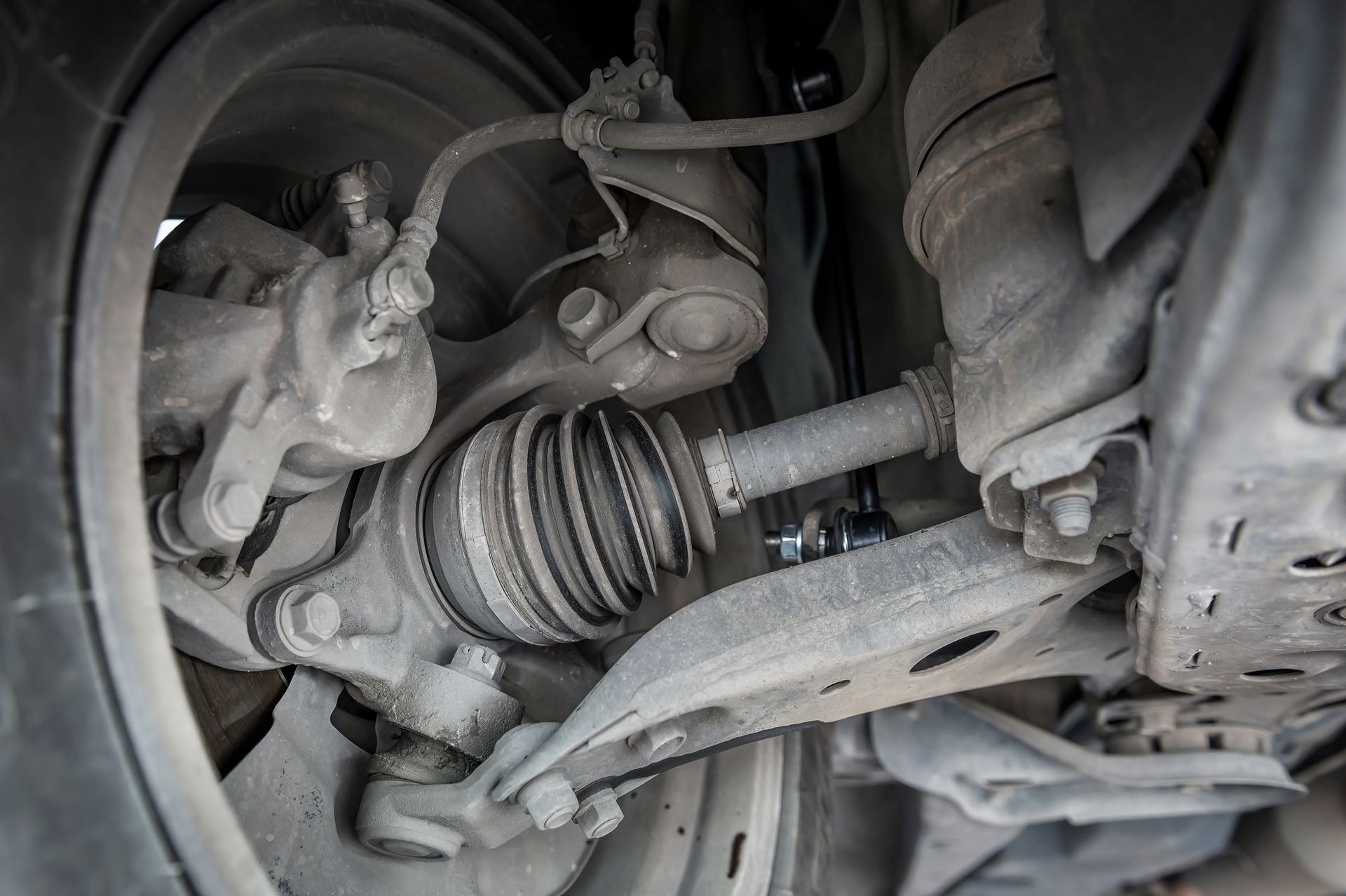
Are Your Brakes Dragging and Making Noises? 6 Signs Your Caliper Is Sticking | Marietta Auto Repair
November 28, 2025
Marietta Auto Repair in Marietta, GA, shares six signs that noisy, dragging brakes may be caused by a sticking caliper.
Slipping Gears? What It Feels Like and Why It Happens | Marietta Auto Repair
October 31, 2025
Marietta Auto Repair in Marietta, GA, explains what gear slipping feels like and what it means for your transmission’s health.
Why Does Your Car Idle Roughly When the Engine Is Cold? | Marietta Auto Repair
September 26, 2025
Marietta Auto Repair in Georgia explains the causes of rough idling during cold starts and how to fix it before damage occurs.
What’s the Best Way to Prep My Car for Fall? | Marietta Auto Repair
August 29, 2025
Marietta Auto Repair in Marietta, GA, explains the best ways to prepare your car for fall weather and changing driving conditions.
What’s That Sudden Jolt When My Car Shifts Gears? | Marietta Auto Repair
July 28, 2025
Shifting gears should be smooth and almost unnoticeable in a healthy vehicle. So if you feel a sudden jolt or jerk when your car shifts, it’s not something to ignore. A sudden jolt during shifting can be a sign of transmission trouble, worn parts, or other related issues that could lead to bigger (and more expensive) problems if left untreated. Let’s explore what might be causing this jolt and what you should do about it. The Role of the Transmission Your transmission is responsible for transferring power from the engine to the wheels. It adjusts the gear ratios to help your vehicle accelerate smoothly, maintain fuel efficiency, and operate at different speeds. A properly functioning transmission should make these gear changes almost seamless. When jolts occur, it’s usually a sign that something has gone out of balance or started to wear out. Common Causes of Sudden Jolts Low or Old Transmission Fluid Transmission fluid lubricates and cools the moving parts inside your transmission. If the fluid is low or degraded, it can’t do its job effectively. Old or contaminated fluid can cause rough or delayed gear shifts, resulting in jolts. Regular fluid checks and changes are crucial to avoid this problem. Worn Transmission Mounts Transmission mounts secure your transmission to the vehicle’s frame and help absorb vibrations. When these mounts wear out or become damaged, shifts can feel abrupt or harsh because the transmission moves excessively during gear changes. Problems with the Torque Converter The torque converter connects the engine to the transmission in automatic vehicles . If it starts to fail, it can cause the vehicle to slip, shudder, or jolt when shifting gears. Faulty Shift Solenoids Shift solenoids regulate the flow of transmission fluid and assist in managing gear changes. When they malfunction, they can cause hard or unexpected shifts. This is often accompanied by other transmission warning signs, like delayed engagement or slipping. Engine Performance Issues Sometimes, what feels like a transmission problem can actually be caused by engine issues. Misfires, faulty sensors, or fuel delivery problems can affect engine power, creating sudden jerks when the transmission tries to shift. Additional Symptoms to Watch For A sudden jolt during shifting is often just one of several signs pointing to a transmission or related problem. You might also notice: Unusual noises, such as grinding or clunking . Delayed response when shifting into gear. Slipping, where the engine revs but the vehicle doesn’t accelerate as expected. Warning lights on the dashboard, like the check engine or transmission light. If you notice these symptoms along with jolting, it’s time for a thorough inspection. Why You Shouldn’t Ignore Transmission Issues Driving with a transmission issue can cause severe damage and lead to a complete transmission failure, which is one of the most expensive repairs a vehicle can need. Addressing small problems early, such as replacing transmission fluid or a worn mount, can save you from major repair bills and keep your car running smoothly and safely. How a Professional Diagnosis Helps Diagnosing transmission problems isn’t something to tackle on your own. Technicians use specialized diagnostic tools to read transmission codes, check fluid condition, and inspect internal components. A professional inspection ensures that the exact issue is identified, so repairs are effective and not just guesswork. Keeping Your Transmission Healthy Routine maintenance is crucial in preventing transmission issues. Regularly checking and replacing fluid, inspecting mounts, and addressing engine issues as they arise can help prolong the life of your transmission. If you frequently drive in heavy traffic or tow heavy loads, you may need more frequent service since these conditions put additional stress on the transmission. Trust Marietta Auto Repair in Marietta, Georgia At Marietta Auto Repair in Marietta, Georgia, we understand how unsettling a sudden jolt during shifting can be. Our skilled technicians are experienced in diagnosing and repairing transmission and related drivetrain issues to restore smooth, reliable performance. If you've noticed a jolt when shifting or any other unusual behavior from your transmission, don’t wait for the problem to get worse. Schedule an inspection with us today and get back to confident, comfortable driving.
Why Is My Car Making a Gurgling Noise After I Shut It Off? | Marietta Auto Repair
June 27, 2025
Marietta Auto Repair in Marietta, GA, explains what gurgling sounds mean after engine shutdown and how to prevent cooling issues.
What Do Strange Engine Noises Really Mean? | Marietta Auto Repair
May 30, 2025
Marietta Auto Repair in Marietta, GA, explains what different engine noises might mean and when to take them seriously.