What Happens If You Don’t Change Your Oil on Time?

January 30, 2026

Missing an oil change usually feels harmless at first. The car still starts, the engine sounds normal, and you tell yourself you will handle it next week.


What makes overdue oil tricky is that the damage can start quietly, long before you get a warning on the dashboard. By the time something feels obviously wrong, you may be dealing with more than a simple service visit.


Why Late Oil Changes Cause Quiet Damage


Oil is a working fluid, not a permanent protection layer. Every mile adds heat, contaminants, and tiny metal particles to the mix. Good oil and a good filter manage that workload for a while, but they do not do it forever.


When the oil is overdue, the engine often keeps running, which is why people keep postponing it. The wear is gradual, and the engine can hide it until the wrong day. We’ve seen drivers come in thinking they just needed an oil change, but the oil had been overdue long enough that it created other issues that did not need to happen.


What Oil Is Doing Between Services


Oil has to lubricate, cool, and clean at the same time. It forms a thin protective film between moving parts, and it helps carry heat away from areas that run hot. It also holds contaminants in suspension so they can be caught by the filter instead of sticking to engine surfaces.


As oil ages, its additives get used up. That can make it less effective at controlling deposits and resisting breakdown. In many modern engines, oil also supports systems like variable valve timing. If oil quality drops, those systems can start acting inconsistently, even when the engine still feels mostly fine.


The Slow Timeline Of Overdue Oil


Most oil-related damage follows a pattern, and it usually starts with small changes you might shrug off.


First, the oil begins to thicken or degrade under heat cycles. Next, deposits start forming in areas where oil flow is tight. After that, the filter can become loaded and less effective, which lets more debris circulate. Finally, parts that depend on clean oil and steady flow start wearing faster than they should.


Short-trip driving can speed up this timeline. If the engine does not stay hot long enough, moisture and fuel dilution can linger in the oil. That combination can make the oil age faster than the mileage alone would suggest.


Warning Signs You’re Past Due


Some overdue oil symptoms are subtle, but they are worth noticing because they often show up before serious damage.


  • A louder tick or tapping sound on cold starts that was not there before
  • Oil that looks unusually thick or smells burnt on the dipstick
  • The engine feels slightly rougher at idle than it used to
  • A new oil smell after driving, especially if there is also a small leak
  • Oil level is dropping faster between checks than you remember


If you ever see an oil pressure warning on the dashboard while driving, do not keep going and hope it clears. Shut the engine off and have it checked, because low oil pressure can cause damage quickly.


What Happens When Oil Breaks Down In Modern Engines


Old oil can lead to sludge, and sludge is a major problem because it restricts flow. Restricted flow means less lubrication and less cooling where the engine needs it most. Once that happens, wear increases, and the engine can start developing secondary problems.


Overdue oil can also contribute to timing component wear, especially on engines that rely on oil pressure and clean oil for proper operation. It can worsen oil consumption when deposits affect piston rings. It can even lead to misfires if oil control problems foul spark plugs over time.


Another issue is heat. Oil helps manage engine temperature internally. When the oil is degraded, it is less effective at carrying heat away, which can stress seals and gaskets and create more leaks. That is how a simple delay can turn into a cycle of leaks, burning smells, and more frequent top-offs.


How To Get Back On Track Without Adding Risk


If you are overdue, the smartest move is to get the oil service done soon and then keep the next interval realistic for how you drive. That means using the correct oil specification and a quality filter, not stretching the interval just because the car seems fine.


If the oil is extremely overdue, it may also make sense to check for early warning clues, like leaks, unusual noises, or oil level changes. An engine that has been neglected does not always show problems immediately. It can take time for the effects to show up, which is why a simple inspection at service time can help.


Get Oil Change Service in Marietta, GA, with Marietta Auto Repair


We can change your oil using the correct specification for your vehicle and check for leaks, oil consumption clues, and other early signs that overdue service may have triggered. We’ll help you set an interval that fits your driving, so you are not stretching it too far in the wrong conditions.


Call Marietta Auto Repair in Marietta, GA, to schedule your oil service and keep your engine protected.
Smoke Under Your Car's Hood? Here's What It Could Mean | Marietta Auto Repair
December 19, 2025
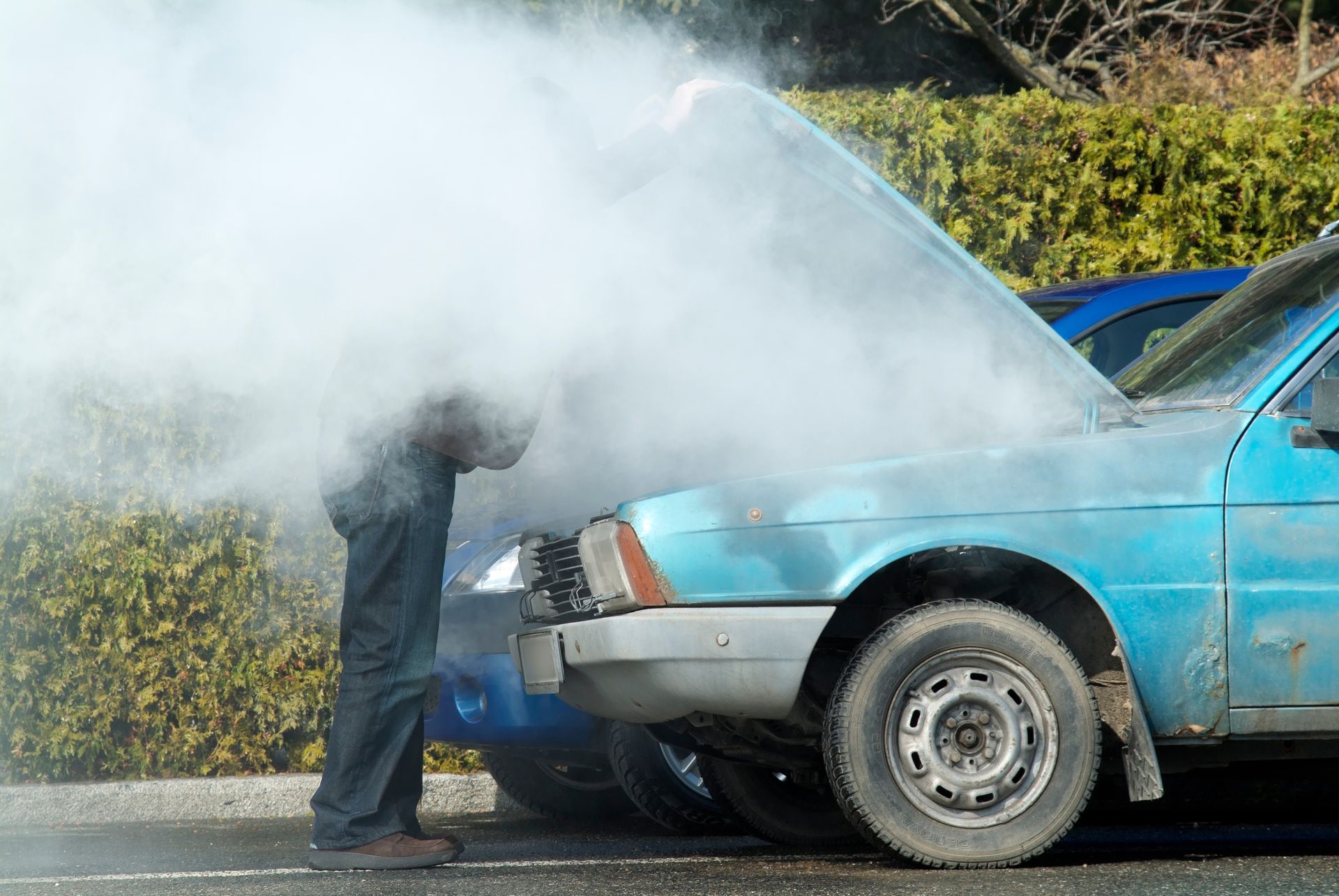
Marietta Auto Repair in Marietta, GA, explains what smoke under your car’s hood could mean and which components to check first.
Are Your Brakes Dragging and Making Noises? 6 Signs Your Caliper Is Sticking | Marietta Auto Repair
November 28, 2025
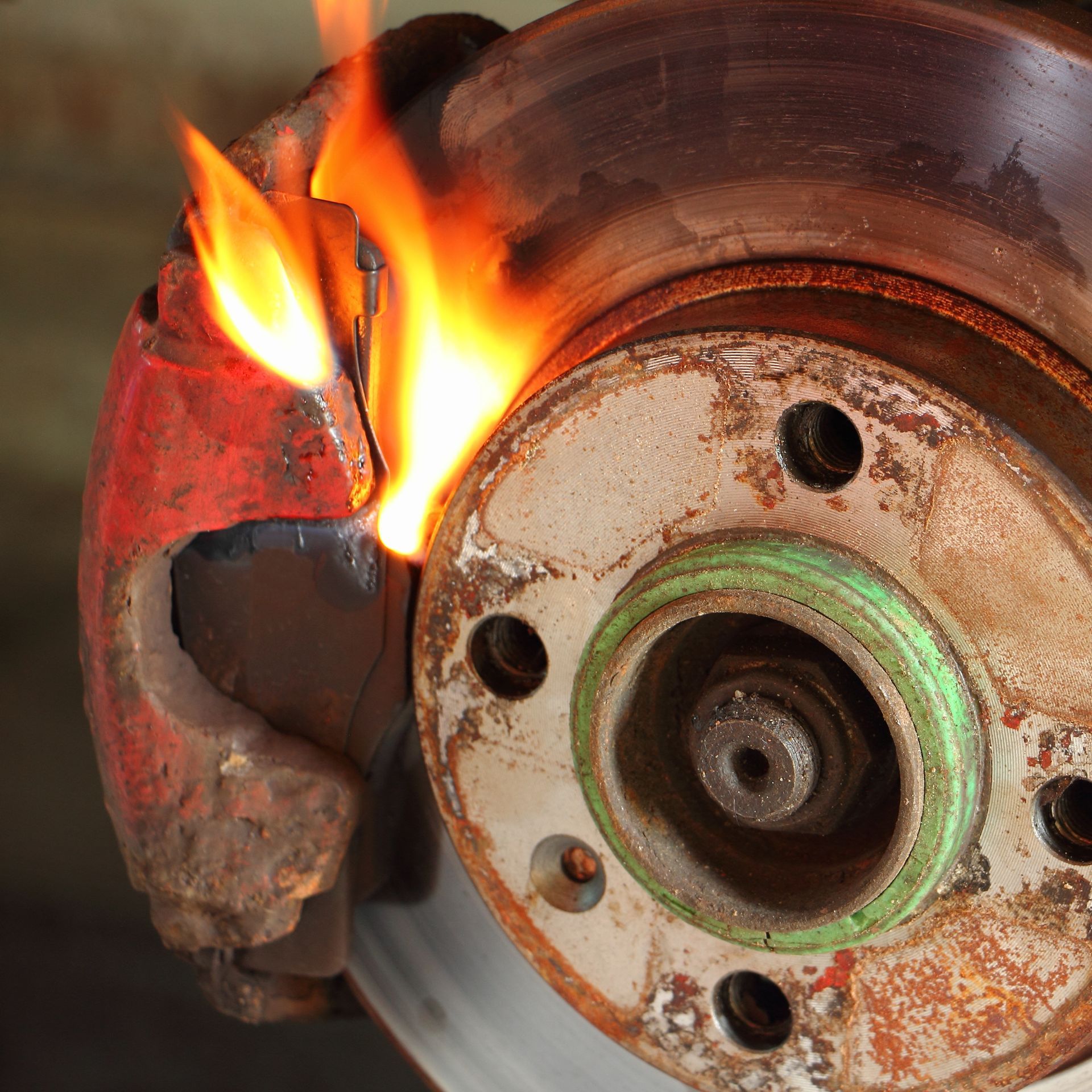
Marietta Auto Repair in Marietta, GA, shares six signs that noisy, dragging brakes may be caused by a sticking caliper.
Slipping Gears? What It Feels Like and Why It Happens | Marietta Auto Repair
October 31, 2025
Marietta Auto Repair in Marietta, GA, explains what gear slipping feels like and what it means for your transmission’s health.
Why Does Your Car Idle Roughly When the Engine Is Cold? | Marietta Auto Repair
September 26, 2025
Marietta Auto Repair in Georgia explains the causes of rough idling during cold starts and how to fix it before damage occurs.
What’s the Best Way to Prep My Car for Fall? | Marietta Auto Repair
August 29, 2025
Marietta Auto Repair in Marietta, GA, explains the best ways to prepare your car for fall weather and changing driving conditions.
What’s That Sudden Jolt When My Car Shifts Gears? | Marietta Auto Repair
July 28, 2025
Shifting gears should be smooth and almost unnoticeable in a healthy vehicle. So if you feel a sudden jolt or jerk when your car shifts, it’s not something to ignore. A sudden jolt during shifting can be a sign of transmission trouble, worn parts, or other related issues that could lead to bigger (and more expensive) problems if left untreated. Let’s explore what might be causing this jolt and what you should do about it. The Role of the Transmission Your transmission is responsible for transferring power from the engine to the wheels. It adjusts the gear ratios to help your vehicle accelerate smoothly, maintain fuel efficiency, and operate at different speeds. A properly functioning transmission should make these gear changes almost seamless. When jolts occur, it’s usually a sign that something has gone out of balance or started to wear out. Common Causes of Sudden Jolts Low or Old Transmission Fluid Transmission fluid lubricates and cools the moving parts inside your transmission. If the fluid is low or degraded, it can’t do its job effectively. Old or contaminated fluid can cause rough or delayed gear shifts, resulting in jolts. Regular fluid checks and changes are crucial to avoid this problem. Worn Transmission Mounts Transmission mounts secure your transmission to the vehicle’s frame and help absorb vibrations. When these mounts wear out or become damaged, shifts can feel abrupt or harsh because the transmission moves excessively during gear changes. Problems with the Torque Converter The torque converter connects the engine to the transmission in automatic vehicles . If it starts to fail, it can cause the vehicle to slip, shudder, or jolt when shifting gears. Faulty Shift Solenoids Shift solenoids regulate the flow of transmission fluid and assist in managing gear changes. When they malfunction, they can cause hard or unexpected shifts. This is often accompanied by other transmission warning signs, like delayed engagement or slipping. Engine Performance Issues Sometimes, what feels like a transmission problem can actually be caused by engine issues. Misfires, faulty sensors, or fuel delivery problems can affect engine power, creating sudden jerks when the transmission tries to shift. Additional Symptoms to Watch For A sudden jolt during shifting is often just one of several signs pointing to a transmission or related problem. You might also notice: Unusual noises, such as grinding or clunking . Delayed response when shifting into gear. Slipping, where the engine revs but the vehicle doesn’t accelerate as expected. Warning lights on the dashboard, like the check engine or transmission light. If you notice these symptoms along with jolting, it’s time for a thorough inspection. Why You Shouldn’t Ignore Transmission Issues Driving with a transmission issue can cause severe damage and lead to a complete transmission failure, which is one of the most expensive repairs a vehicle can need. Addressing small problems early, such as replacing transmission fluid or a worn mount, can save you from major repair bills and keep your car running smoothly and safely. How a Professional Diagnosis Helps Diagnosing transmission problems isn’t something to tackle on your own. Technicians use specialized diagnostic tools to read transmission codes, check fluid condition, and inspect internal components. A professional inspection ensures that the exact issue is identified, so repairs are effective and not just guesswork. Keeping Your Transmission Healthy Routine maintenance is crucial in preventing transmission issues. Regularly checking and replacing fluid, inspecting mounts, and addressing engine issues as they arise can help prolong the life of your transmission. If you frequently drive in heavy traffic or tow heavy loads, you may need more frequent service since these conditions put additional stress on the transmission. Trust Marietta Auto Repair in Marietta, Georgia At Marietta Auto Repair in Marietta, Georgia, we understand how unsettling a sudden jolt during shifting can be. Our skilled technicians are experienced in diagnosing and repairing transmission and related drivetrain issues to restore smooth, reliable performance. If you've noticed a jolt when shifting or any other unusual behavior from your transmission, don’t wait for the problem to get worse. Schedule an inspection with us today and get back to confident, comfortable driving.
Why Is My Car Making a Gurgling Noise After I Shut It Off? | Marietta Auto Repair
June 27, 2025
Marietta Auto Repair in Marietta, GA, explains what gurgling sounds mean after engine shutdown and how to prevent cooling issues.
What Do Strange Engine Noises Really Mean? | Marietta Auto Repair
May 30, 2025
Marietta Auto Repair in Marietta, GA, explains what different engine noises might mean and when to take them seriously.