Brake drag wastes fuel, overheats parts, and can turn a normal stop into a scare. A sticking caliper is one of the most common reasons. Catch it early, and you usually save the rotor, pads, and wheel bearing. Here are six clear signs we look for on the road and in the bay, plus what you can do next in Marietta traffic.
1. The Car Pulls to One Side After a Few Stoplights
On a flat road, the wheel should sit centered with light hands. If the car drifts left or right and the pull grows stronger, the longer you drive, one caliper may be hanging up as heat builds. Drag on one corner acts like a tiny handbrake, nudging the car that way. Heat also changes pad friction, so the pull can change with temperature, which is why it feels worse after a string of lights on Cobb Parkway.
2. One Wheel Smells Hot or Radiates Heat
An acrid, burnt odor near a wheel after parking points to pad drag. You may even feel heat rolling off the rim a foot away. That heat travels into the hub and can shorten wheel bearing life. If the smell is strong or you see a wisp of smoke, let the car cool. Driving through it risks boiling the brake fluid, which softens pedal feel and lengthens stops.
3. Brake Dust and Rotor Color Do Not Match Side to Side
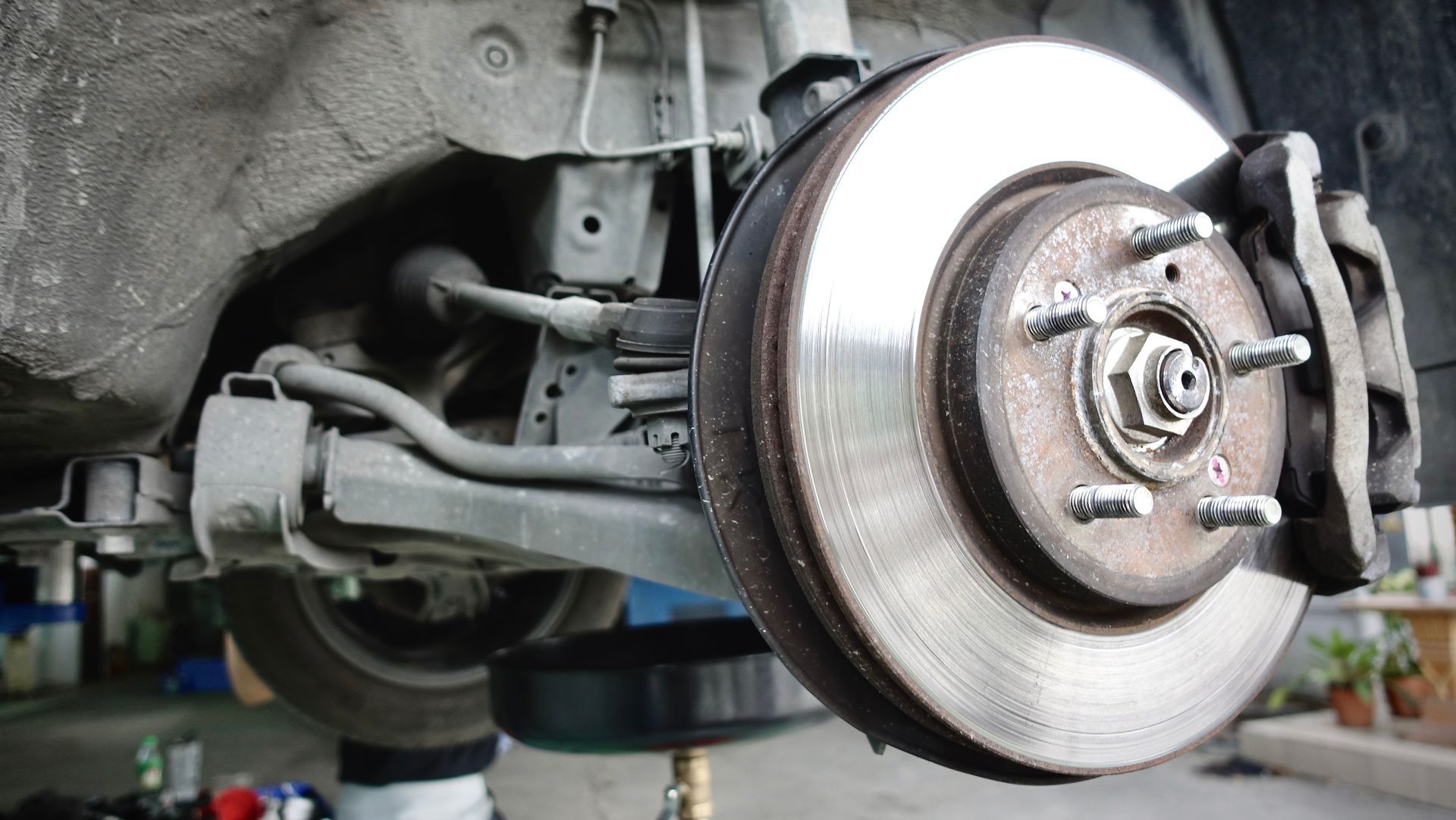
Compare the front wheels. If one is coated in heavy dark dust and the other looks normal, the dusty side is usually dragging. Look through the spokes at the rotor. A bluish or straw tint compared to the opposite rotor suggests it has been overheated. Discoloration is not just cosmetic. Heat can harden the surface and create pad glazing, which reduces stopping power.
4. Pedal Feel Changes From One Stop to the Next
Drag alters hydraulic behavior. The first press might feel a little soft. A second press a few seconds later can feel firmer because heat has expanded the fluid and pad material. You may also notice a light chirp that becomes a coarse scrape as speed drops. If the pad wears down to the backing plate, grinding follows, and the rotor faces a replacement rather than a simple resurface.
5. The Car Feels Sluggish and Fuel Economy Drops
A slight drag is hard to hear, but you feel it. The car rolls off the line lazily, coasts poorly, and your instant fuel economy sits lower than usual on familiar routes. Many drivers think it is a transmission or engine issue. We often find a single, tight caliper or a collapsed rubber hose that applies pressure but does not release it quickly.
6. Uneven Pad Wear or a Stuck Slide Pin
A floating caliper needs clean, lubricated slide pins so it can center itself. Rust or old grease makes the caliper hang to one side, which wears the inner pad much faster than the outer. If you peek through the caliper window and see a thin pad on one side and a thick pad on the other, that is a red flag. Pad ears that bind in rusty brackets can do the same thing.
What Causes Sticking and How We Fix It
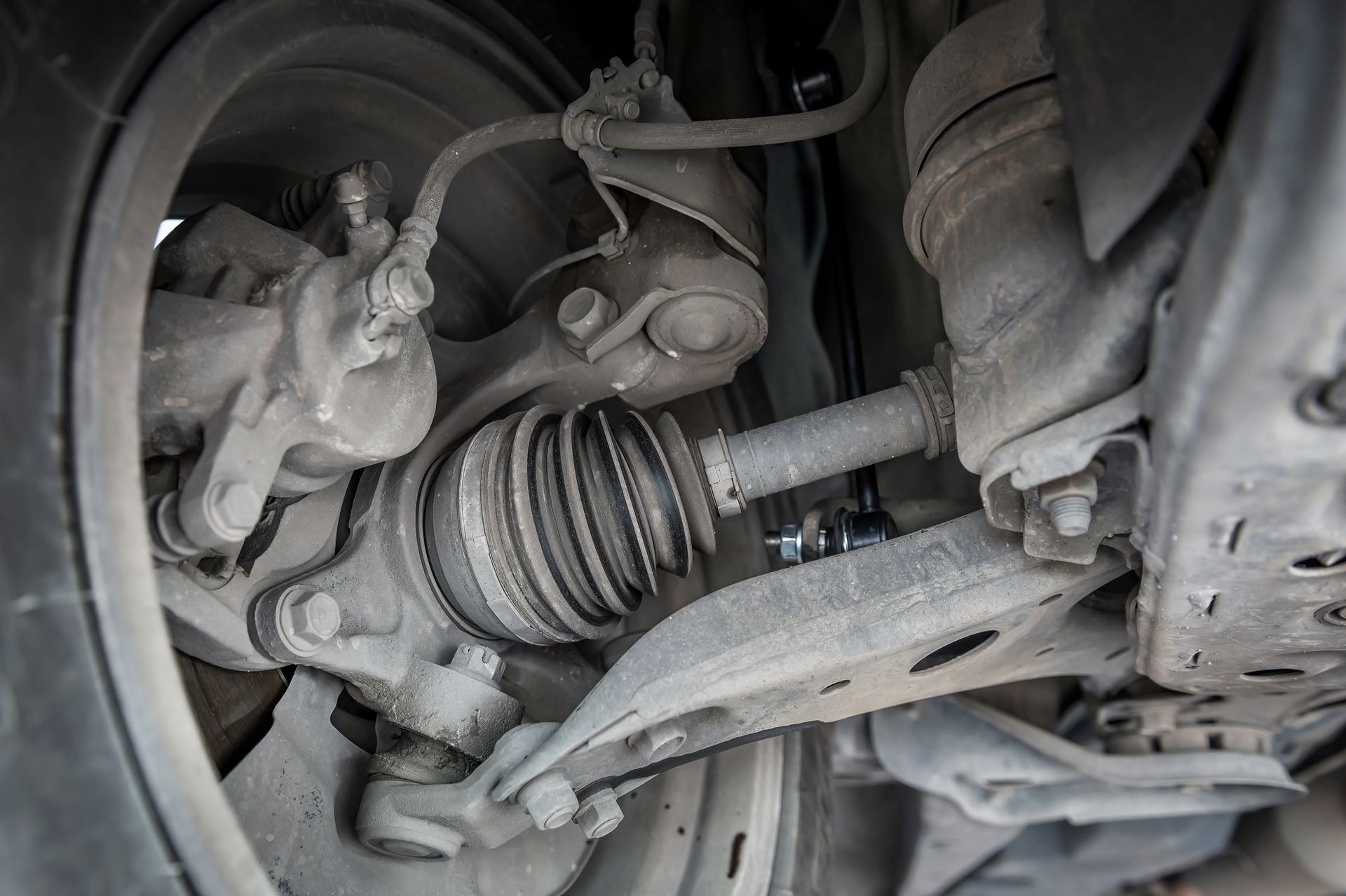
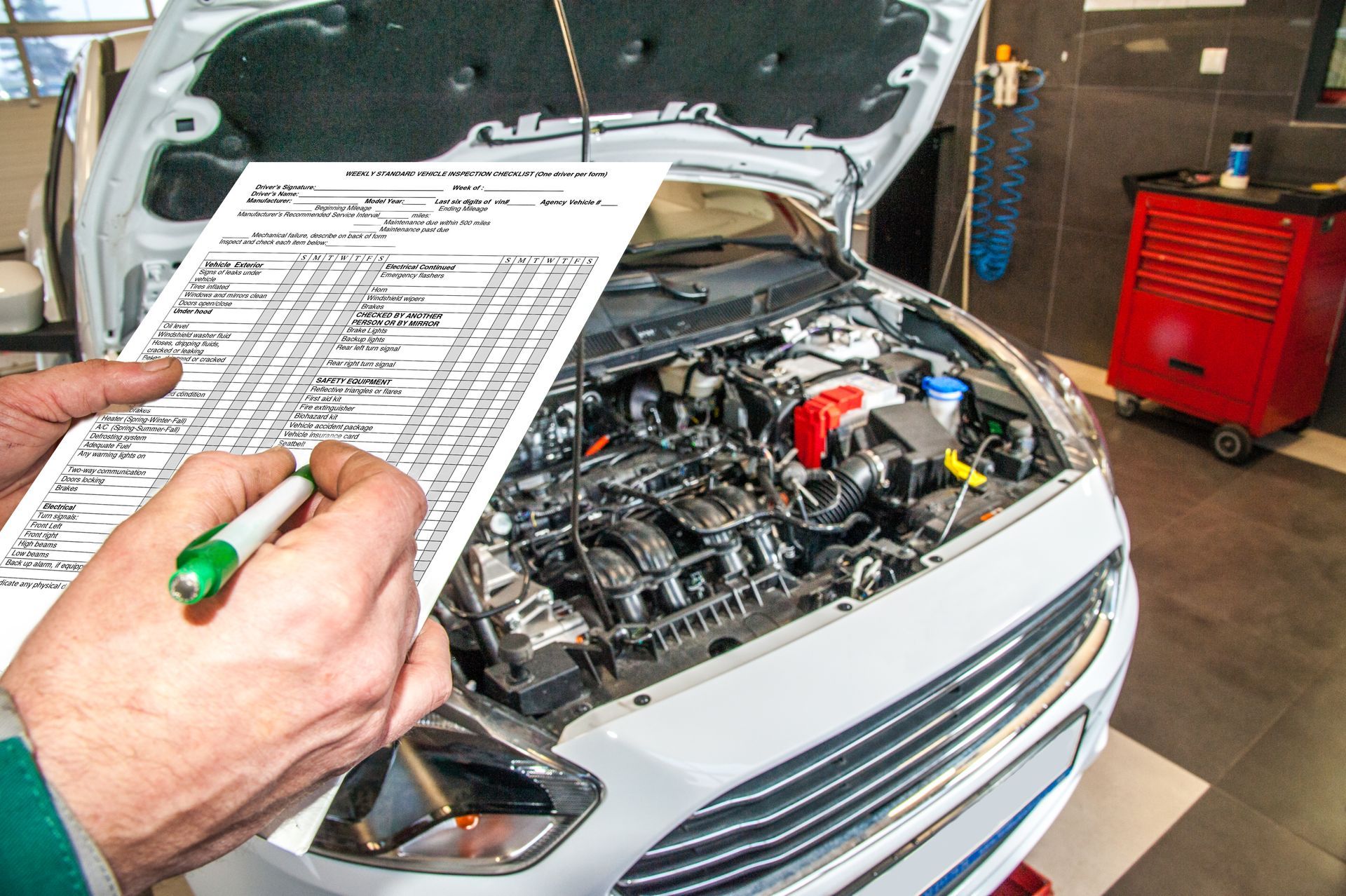
Calipers stick for a few familiar reasons: seized slide pins, pad ears trapped in rusty abutments, piston seals that have hardened, or rubber hoses that have collapsed internally and trap pressure. Our technicians start with a road test to confirm pull, smell, or noise, then measure pad thickness, check slide movement, and inspect the bracket. We measure rotor thickness and runout, look for heat marks, and check wheel bearing play.
If a hose is suspect, we verify that pressure releases cleanly. Only after we find the root cause do we quote parts so you are not replacing good components.
Get Sticking Caliper Repair in Marietta, Georgia with Marietta Auto Repair
If your car pulls, smells hot, or shows uneven brake dust, visit Marietta Auto Repair in Marietta, Georgia. Our team will road test, inspect pads and hardware, free or replace seized parts, exchange fluid, and set the system up so stops feel straight and strong again.
Book a brake inspection today and drive with confidence.