9 Car Maintenance Misconceptions That Lead to Expensive Consequences

February 27, 2026

Car maintenance advice is everywhere, and a lot of it sounds convincing because it’s simple. The problem is that simple advice can push you to skip services, delay repairs, or fix the wrong thing first. That’s how a minor issue turns into a bigger bill later.


Most expensive repairs start with a cheap misunderstanding.


1. Oil Color Tells You When It’s Time


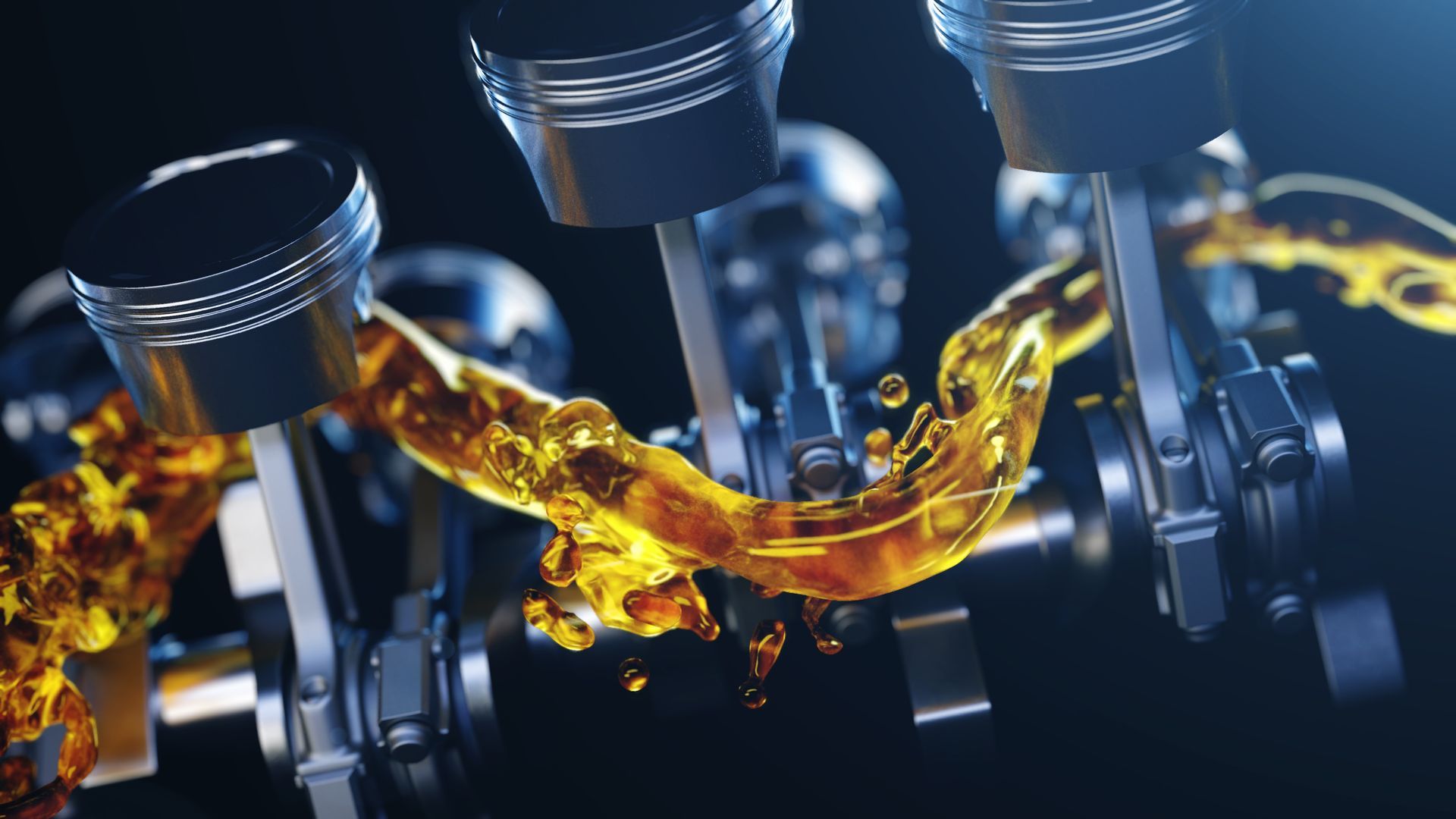
Oil turning dark is normal, especially in modern engines that run hotter and keep contaminants suspended so they can be captured by the filter. Fresh oil can look dark quickly and still be doing its job, while oil that looks acceptable can be chemically worn out from heat and fuel dilution. The interval should be based on the vehicle’s schedule, driving conditions, and oil level trends, not the dipstick color alone.


Another misconception is that topping off replaces changing the oil. Adding oil helps the level, but it doesn’t remove the contaminants already in the crankcase. Keeping oil at the correct level is crucial, but it’s not a substitute for service.


2. Coolant Is Lifetime And Never Needs Attention


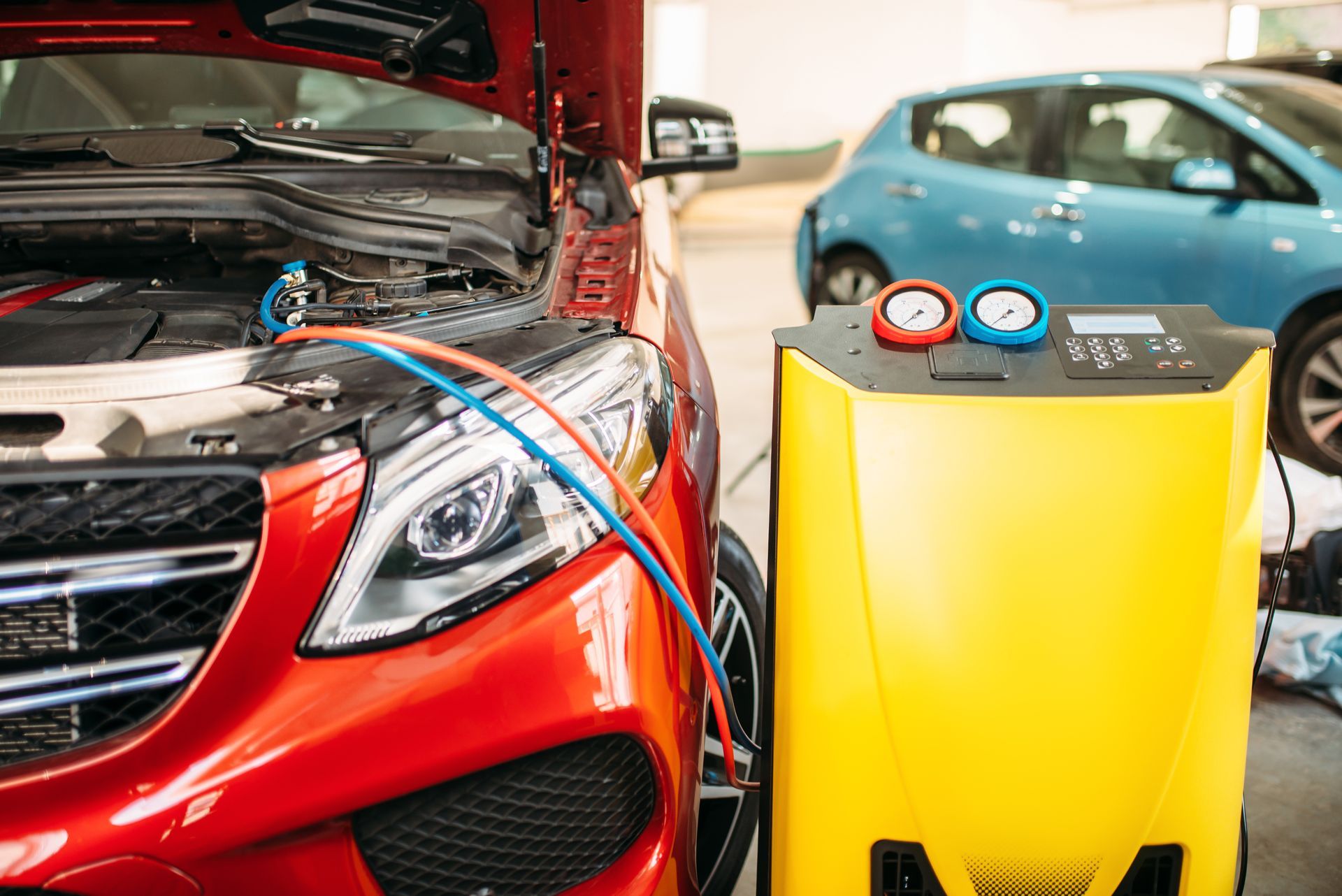
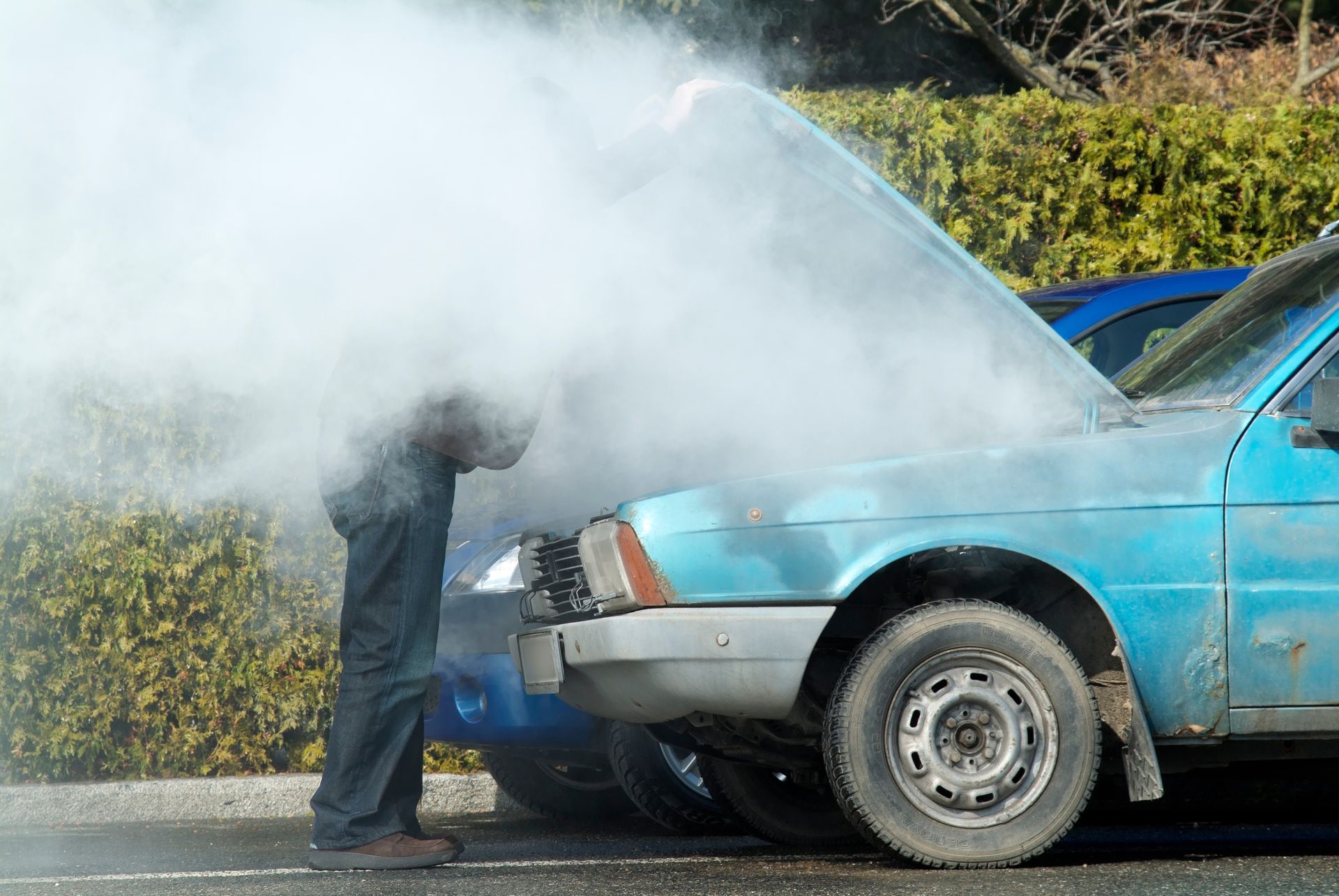
Coolant doesn’t evaporate like fuel, so if the level keeps dropping, something is leaking. Even a small seep at a hose, radiator, or water pump can become an overheating event when traffic is heavy and temperatures climb. Overheating can warp components and damage seals fast, which is why coolant issues get expensive in a hurry.


Coolant also ages. Additives that protect metal surfaces and control corrosion break down over time, and old coolant can turn into sludge that restricts flow. Following the correct service interval keeps the cooling system stable and prevents the slow internal damage drivers don’t notice until the heater stops working or the temperature starts creeping up.


3. Transmission Fluid Never Needs Service


Transmission fluid works hard. It lubricates, carries heat, and helps control hydraulic pressure, and that means it breaks down from heat and shear. When the fluid is old, shifting can get harsher, the transmission can run hotter, and internal wear accelerates.


Another myth is that a service will automatically cause a failure. What actually happens is that a transmission that’s already badly worn may show symptoms after the fresh fluid restores normal friction behavior. In those cases, the problem was already there, which is why staying on schedule beats waiting until it starts slipping.


4. Brakes Only Need Attention When They Grind, And Brake Fluid Is Forever


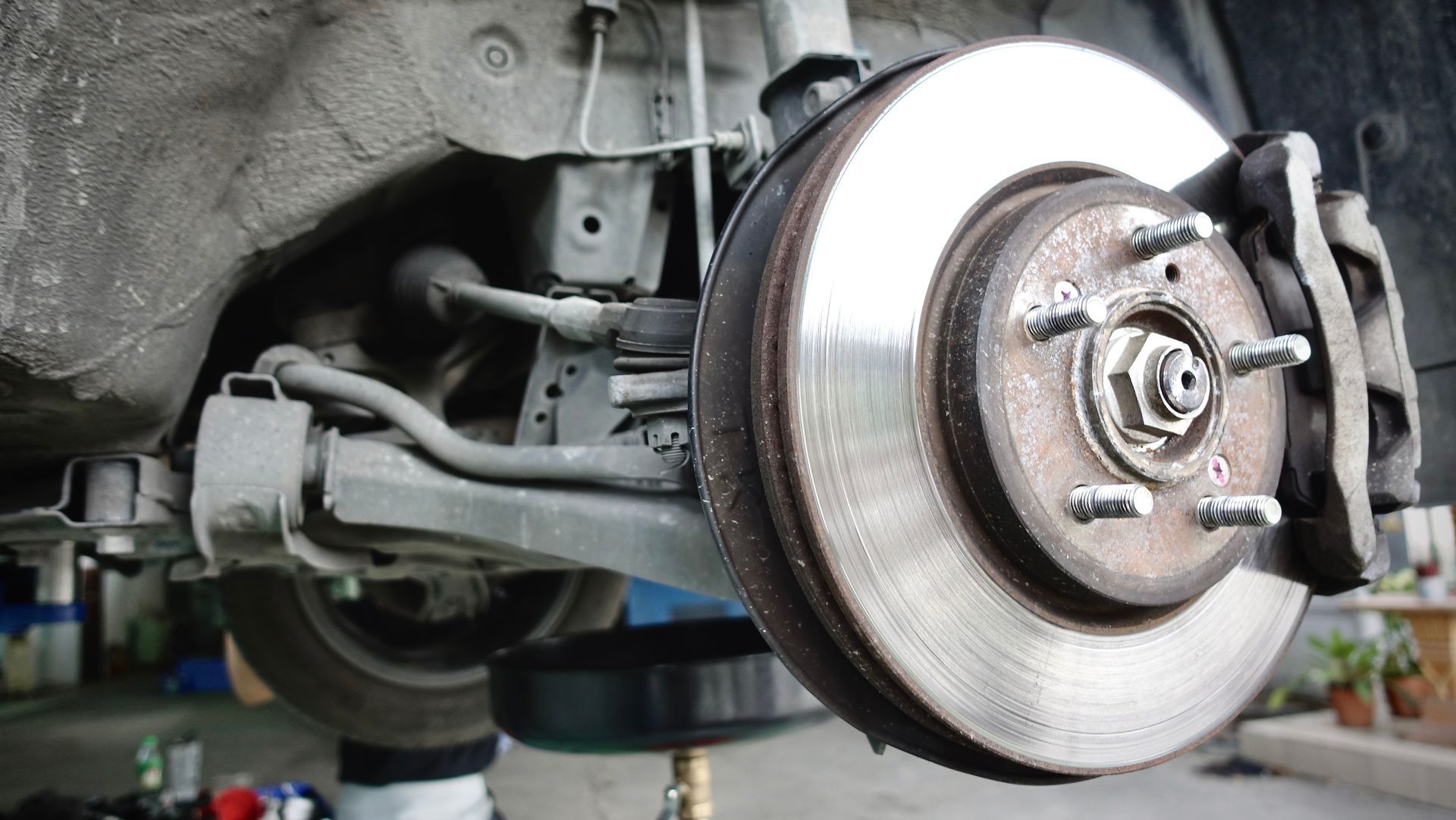
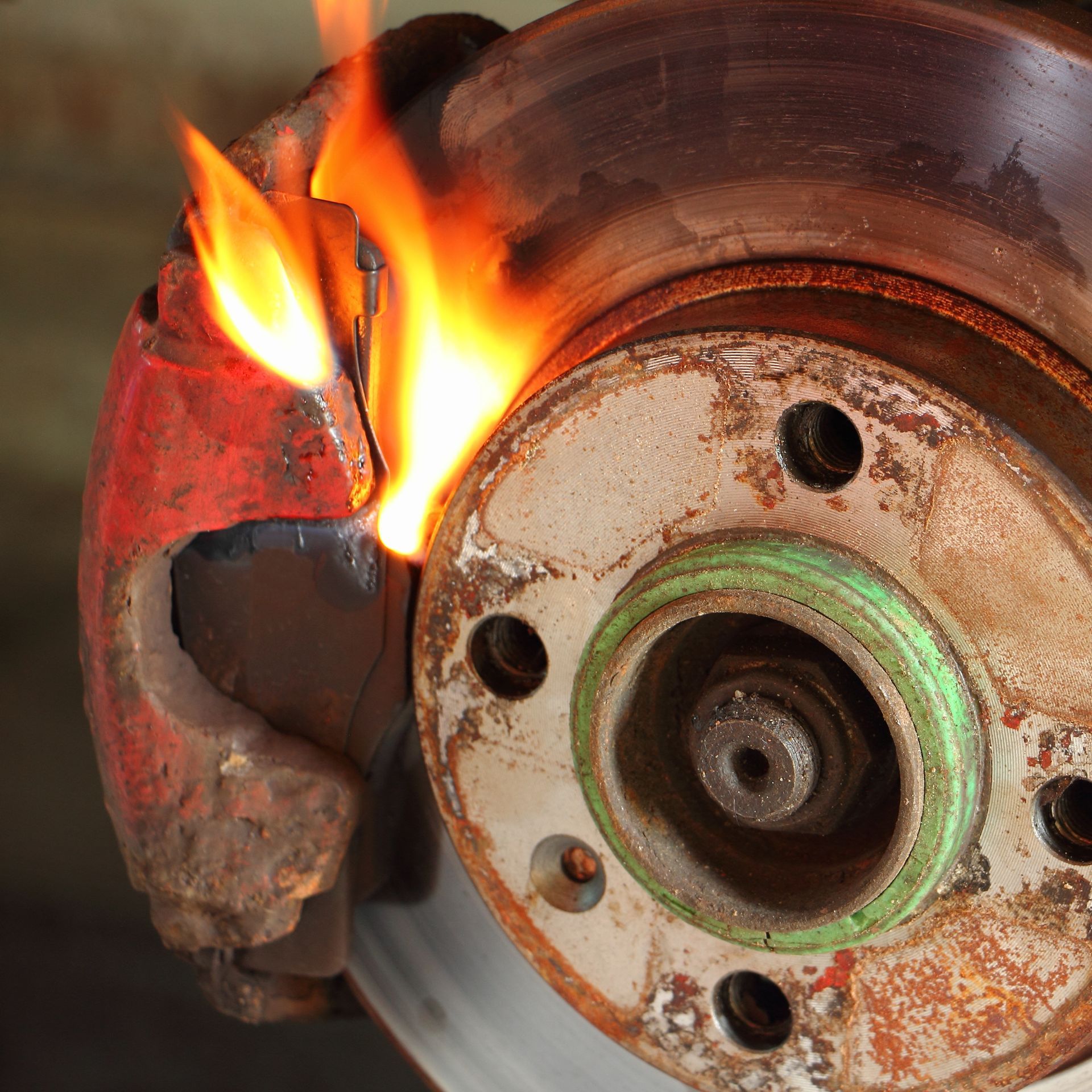
Grinding means the pads are already gone and metal is rubbing metal, which often damages rotors and caliper hardware. Waiting for that point turns a normal pad service into a more expensive brake job. A squeal, a new vibration under braking, or a longer stopping distance is your early warning that the system needs attention.


Brake fluid gets ignored because it’s not used up like fuel, but it absorbs moisture over time. Moisture lowers the boiling point and can corrode internal components, especially in humid climates. Regular maintenance that includes brake fluid service keeps the pedal feel consistent and protects parts you don’t want to replace.


5. A Check Engine Light Can Be Ignored If The Car Drives Fine, And A Code Reader Gives The Answer


Many faults affect emissions first, so the car can feel normal while the computer sees a system out of range. Ignoring the light can lead to worse fuel economy, drivability issues later, and damage to the catalytic converter if a misfire is involved. A flashing light is a different situation and should be treated as urgent because it often indicates a severe misfire.


Reading code is helpful, but it’s only a starting point. Codes point to the system that noticed the problem, not always the exact part that failed. In our shop, we use code data along with sensor readings and system tests so the repair fixes the cause instead of chasing symptoms.


6. Tire Pressure, Rotations, And Alignment Don’t Matter Much, And Small Leaks Can Wait


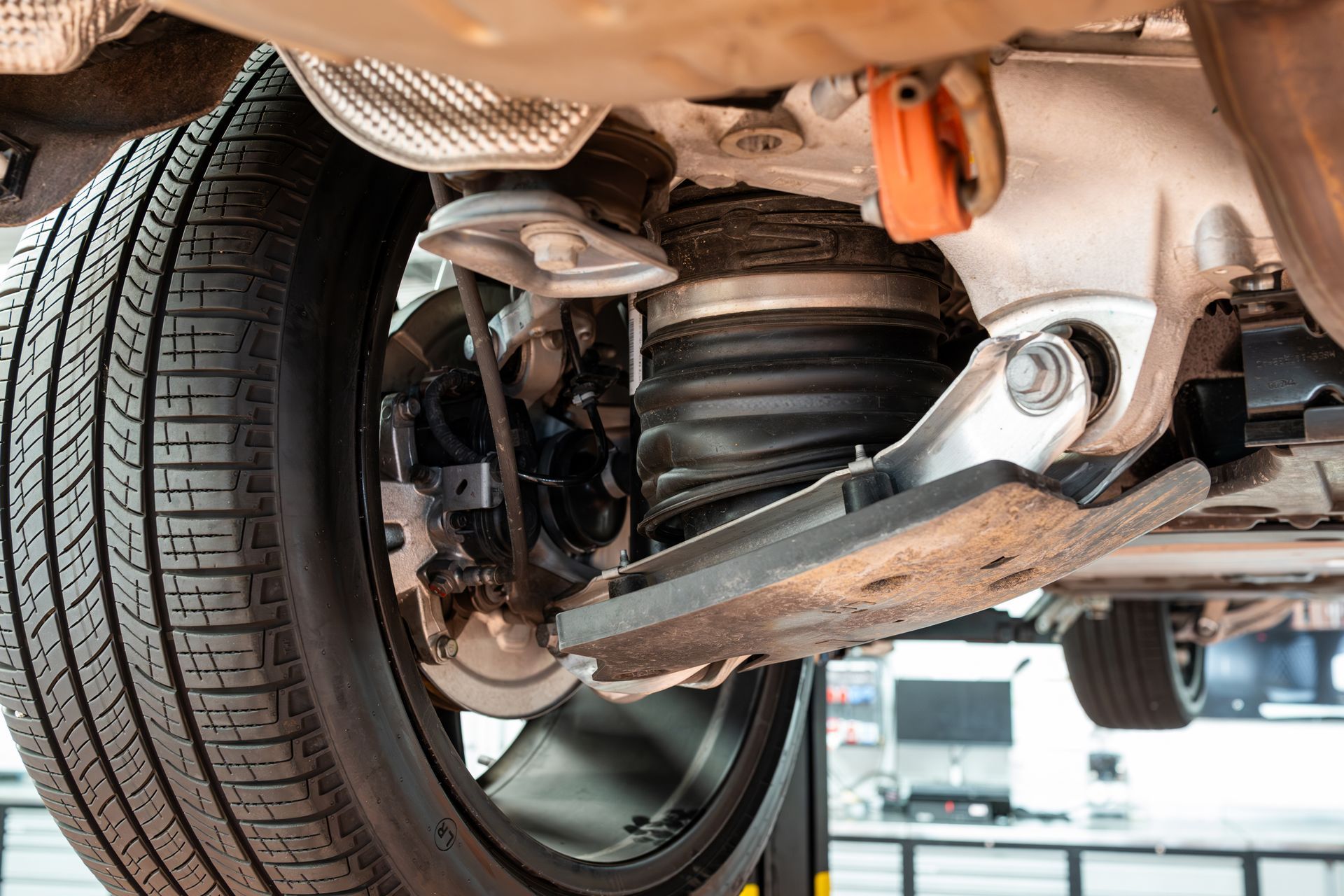
Tire pressure affects braking distance, handling, and wear, and even a small drop changes how the tread meets the road. Skipping rotations can leave you with uneven wear that creates noise and vibration, which also stresses suspension parts. Alignment isn’t just about a steering pull, it’s about keeping the tire contact patch flat so you don’t burn through a set early.


Small leaks are the same story. A minor oil seep can turn into a low-oil situation between services, and a slow coolant leak can become overheating when the reservoir finally falls below the safe level. If fluid levels are trending down, address it early while the fix is still straightforward.


Get Car Maintenance In Marietta, GA With Marietta Auto Repair


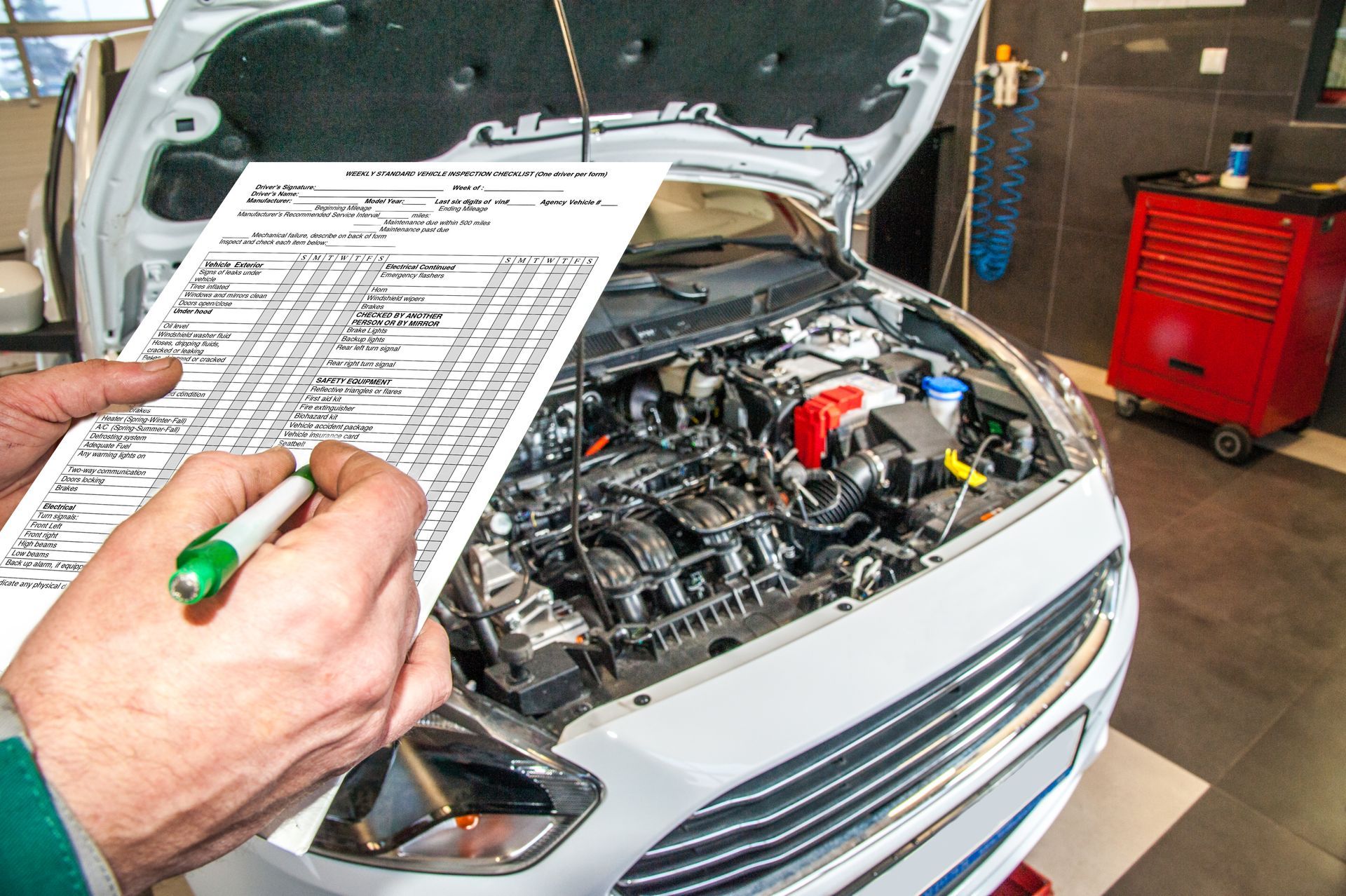
If you want to avoid the expensive consequences of common myths, the best next step is prioritizing what your vehicle actually needs based on condition, mileage, and driving habits. Schedule an inspection with Marietta Auto Repair in Marietta, GA, and we’ll help you sort out what’s urgent, what can wait, and what keeps your vehicle dependable.


No confusion, just a clear plan.
What Happens If You Don’t Change Your Oil on Time? | Marietta Auto Repair
January 30, 2026
Marietta Auto Repair in Marietta, GA, explains what happens if you don’t change your oil on time and how overdue service accelerates engine wear.
Smoke Under Your Car's Hood? Here's What It Could Mean | Marietta Auto Repair
December 19, 2025
Marietta Auto Repair in Marietta, GA, explains what smoke under your car’s hood could mean and which components to check first.
Are Your Brakes Dragging and Making Noises? 6 Signs Your Caliper Is Sticking | Marietta Auto Repair
November 28, 2025
Marietta Auto Repair in Marietta, GA, shares six signs that noisy, dragging brakes may be caused by a sticking caliper.
Slipping Gears? What It Feels Like and Why It Happens | Marietta Auto Repair
October 31, 2025
Marietta Auto Repair in Marietta, GA, explains what gear slipping feels like and what it means for your transmission’s health.
Why Does Your Car Idle Roughly When the Engine Is Cold? | Marietta Auto Repair
September 26, 2025
Marietta Auto Repair in Georgia explains the causes of rough idling during cold starts and how to fix it before damage occurs.
What’s the Best Way to Prep My Car for Fall? | Marietta Auto Repair
August 29, 2025
Marietta Auto Repair in Marietta, GA, explains the best ways to prepare your car for fall weather and changing driving conditions.
What’s That Sudden Jolt When My Car Shifts Gears? | Marietta Auto Repair
July 28, 2025
Shifting gears should be smooth and almost unnoticeable in a healthy vehicle. So if you feel a sudden jolt or jerk when your car shifts, it’s not something to ignore. A sudden jolt during shifting can be a sign of transmission trouble, worn parts, or other related issues that could lead to bigger (and more expensive) problems if left untreated. Let’s explore what might be causing this jolt and what you should do about it. The Role of the Transmission Your transmission is responsible for transferring power from the engine to the wheels. It adjusts the gear ratios to help your vehicle accelerate smoothly, maintain fuel efficiency, and operate at different speeds. A properly functioning transmission should make these gear changes almost seamless. When jolts occur, it’s usually a sign that something has gone out of balance or started to wear out. Common Causes of Sudden Jolts Low or Old Transmission Fluid Transmission fluid lubricates and cools the moving parts inside your transmission. If the fluid is low or degraded, it can’t do its job effectively. Old or contaminated fluid can cause rough or delayed gear shifts, resulting in jolts. Regular fluid checks and changes are crucial to avoid this problem. Worn Transmission Mounts Transmission mounts secure your transmission to the vehicle’s frame and help absorb vibrations. When these mounts wear out or become damaged, shifts can feel abrupt or harsh because the transmission moves excessively during gear changes. Problems with the Torque Converter The torque converter connects the engine to the transmission in automatic vehicles . If it starts to fail, it can cause the vehicle to slip, shudder, or jolt when shifting gears. Faulty Shift Solenoids Shift solenoids regulate the flow of transmission fluid and assist in managing gear changes. When they malfunction, they can cause hard or unexpected shifts. This is often accompanied by other transmission warning signs, like delayed engagement or slipping. Engine Performance Issues Sometimes, what feels like a transmission problem can actually be caused by engine issues. Misfires, faulty sensors, or fuel delivery problems can affect engine power, creating sudden jerks when the transmission tries to shift. Additional Symptoms to Watch For A sudden jolt during shifting is often just one of several signs pointing to a transmission or related problem. You might also notice: Unusual noises, such as grinding or clunking . Delayed response when shifting into gear. Slipping, where the engine revs but the vehicle doesn’t accelerate as expected. Warning lights on the dashboard, like the check engine or transmission light. If you notice these symptoms along with jolting, it’s time for a thorough inspection. Why You Shouldn’t Ignore Transmission Issues Driving with a transmission issue can cause severe damage and lead to a complete transmission failure, which is one of the most expensive repairs a vehicle can need. Addressing small problems early, such as replacing transmission fluid or a worn mount, can save you from major repair bills and keep your car running smoothly and safely. How a Professional Diagnosis Helps Diagnosing transmission problems isn’t something to tackle on your own. Technicians use specialized diagnostic tools to read transmission codes, check fluid condition, and inspect internal components. A professional inspection ensures that the exact issue is identified, so repairs are effective and not just guesswork. Keeping Your Transmission Healthy Routine maintenance is crucial in preventing transmission issues. Regularly checking and replacing fluid, inspecting mounts, and addressing engine issues as they arise can help prolong the life of your transmission. If you frequently drive in heavy traffic or tow heavy loads, you may need more frequent service since these conditions put additional stress on the transmission. Trust Marietta Auto Repair in Marietta, Georgia At Marietta Auto Repair in Marietta, Georgia, we understand how unsettling a sudden jolt during shifting can be. Our skilled technicians are experienced in diagnosing and repairing transmission and related drivetrain issues to restore smooth, reliable performance. If you've noticed a jolt when shifting or any other unusual behavior from your transmission, don’t wait for the problem to get worse. Schedule an inspection with us today and get back to confident, comfortable driving.
Why Is My Car Making a Gurgling Noise After I Shut It Off? | Marietta Auto Repair
June 27, 2025
Marietta Auto Repair in Marietta, GA, explains what gurgling sounds mean after engine shutdown and how to prevent cooling issues.
What Do Strange Engine Noises Really Mean? | Marietta Auto Repair
May 30, 2025
Marietta Auto Repair in Marietta, GA, explains what different engine noises might mean and when to take them seriously.