What Are the Signs of a Bad Wheel Bearing? Is It Expensive to Replace?

April 30, 2026

Wheel bearing problems usually don’t start with a breakdown. The signs tend to build slowly, and at first, they can be mistaken for tire noise or road conditions. Over time, though, the sound gets louder, the ride feels different, and it becomes clear something is not right.


Catching a bad wheel bearing early can help you avoid more serious issues and keep the repair more manageable.


What A Wheel Bearing Actually Does


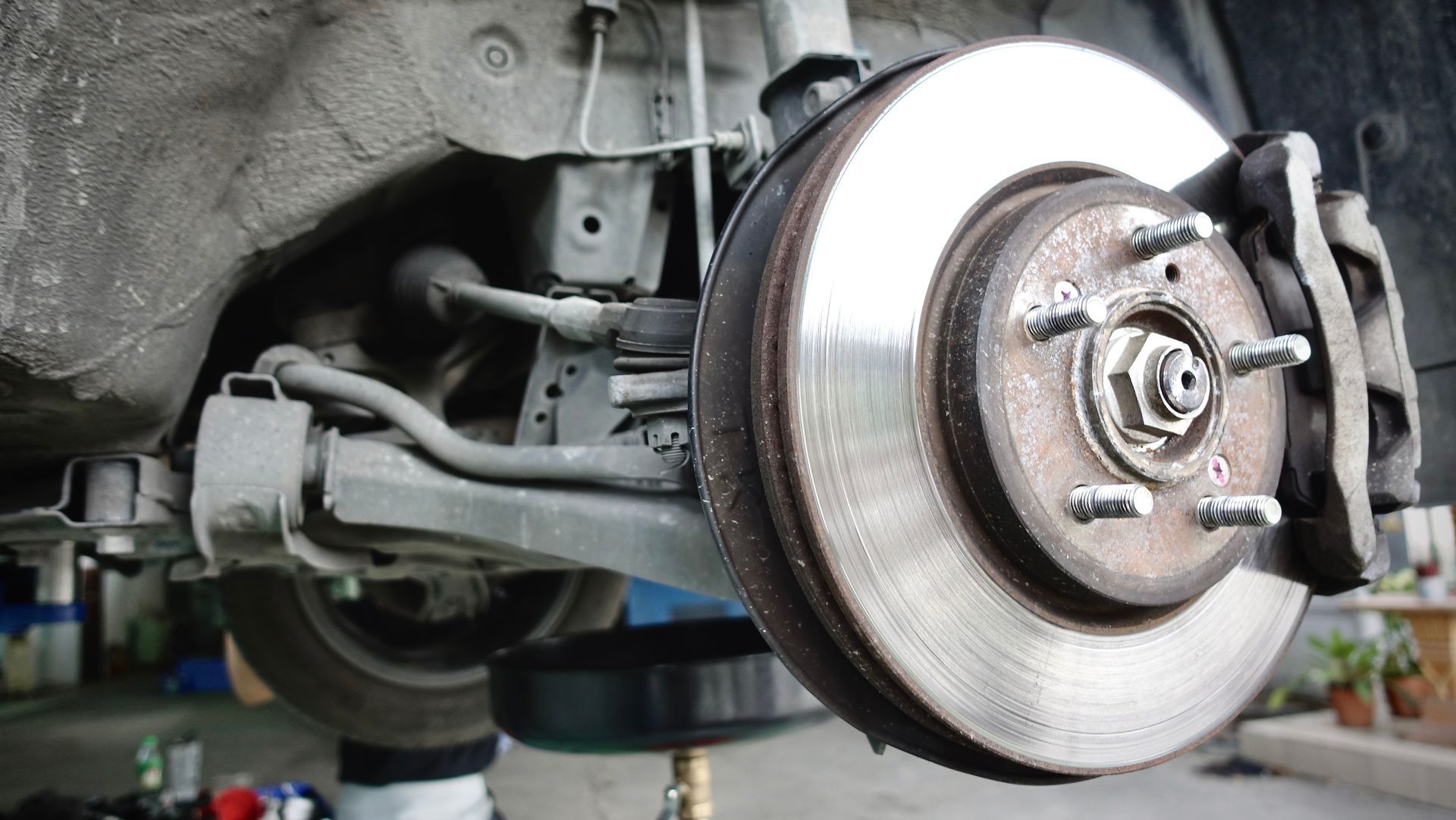
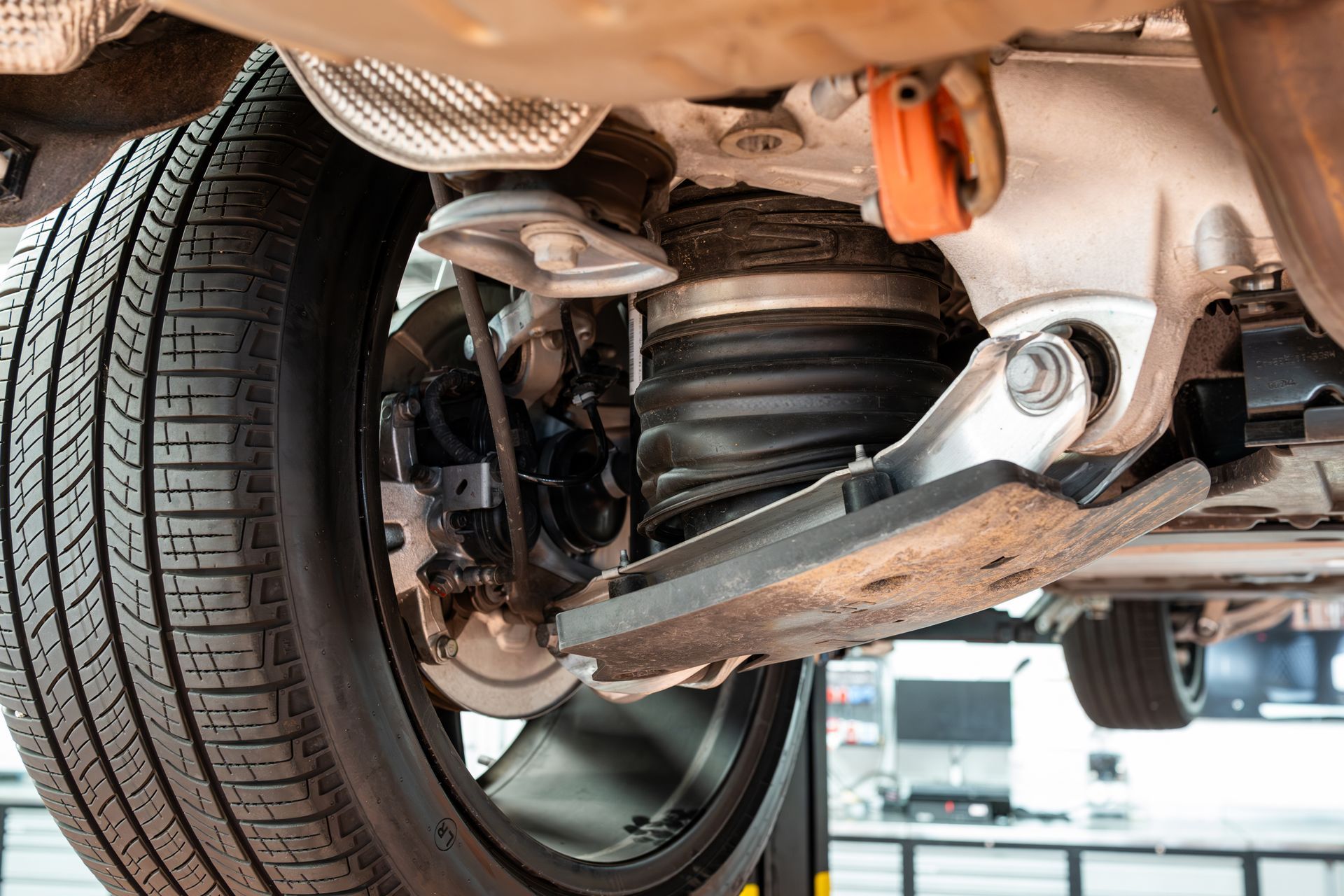
A wheel bearing allows the wheel to rotate smoothly while supporting the weight of the vehicle. It sits inside the hub assembly and reduces friction as the wheel spins.


When the bearing is in good condition, you don’t notice it at all. As it wears, it creates noise and affects how the wheel moves.


Humming Or Growling Noise That Changes With Speed


One of the most common signs is a humming or growling noise coming from one corner of the vehicle. The sound usually gets louder as the speed increases.


In some cases, the noise may change when turning. If the sound gets louder when turning one direction and quieter in the other, that can help point to which side is affected.


Vibration Or Rough Driving Feel


A worn wheel bearing can cause vibration felt through the steering wheel or the car's body. It may feel similar to an unbalanced tire, but the sensation often becomes more noticeable over time.


This happens because the bearing is no longer allowing the wheel to rotate evenly. That uneven movement is transmitted to the vehicle.


Uneven Tire Wear


Wheel bearings can affect how the tire contacts the road. If the bearing has play or is wearing unevenly, it can lead to abnormal tire wear patterns.


You might notice one tire wearing faster than the others or developing unusual patterns. While alignment and suspension also play a role, a bad bearing can be a contributing factor.


Loose Or Unstable Steering Feel


As the bearing wears, it can develop play. That means the wheel is no longer held in place as tightly as it should be.


This can lead to a feeling of looseness in the steering or reduced stability, especially at higher speeds. It may not feel severe at first, but it tends to get worse.


Grinding Noise In Advanced Stages


If the bearing continues to wear, the sound can change from a hum to a grinding noise. At that point, internal components are likely damaged.


Grinding indicates more serious wear and increases the risk of further damage. It is a sign that the issue should be addressed as soon as possible.


Why Wheel Bearing Problems Should Not Be Ignored


A failing wheel bearing affects more than just noise. It can impact steering, braking, and overall stability. In severe cases, it can lead to wheel movement that affects safety.


Waiting too long can also increase repair costs. Damage can spread to the hub assembly or other components, making the repair more involved.


How Regular Maintenance Helps Catch Bearing Wear


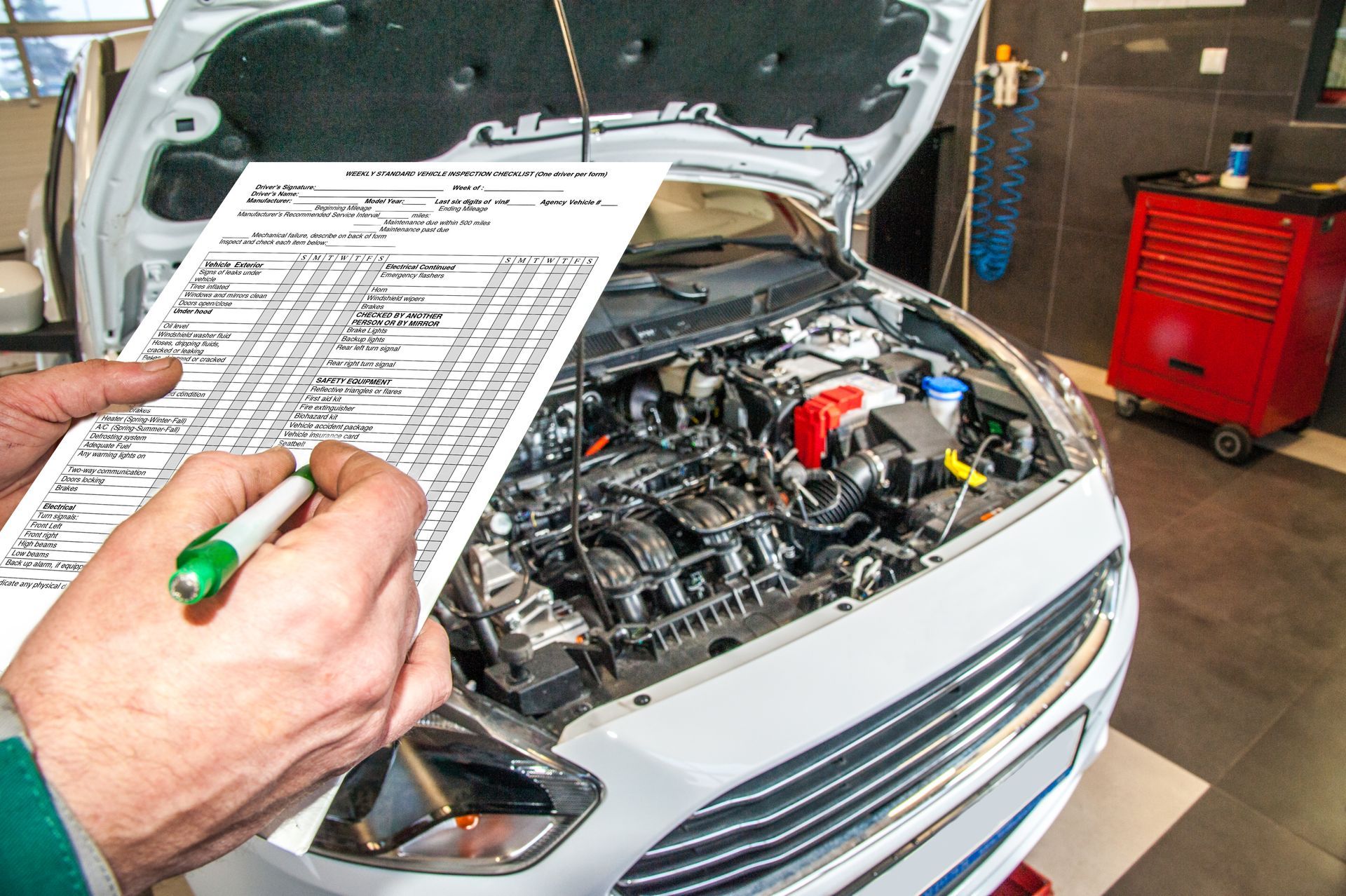
Wheel bearings are not always part of routine replacement schedules, but they can be checked during regular maintenance. An inspection can identify early signs of wear before they become more noticeable.


Catching the issue early helps keep the repair simpler and prevents additional damage.


Is Wheel Bearing Replacement Expensive


The cost of replacement depends on the vehicle and whether the bearing is part of a hub assembly. Some vehicles require replacing the entire hub, while others allow the bearing alone to be serviced.


Labor can vary as well, depending on how accessible the component is. While it is not the cheapest repair, it is far less expensive than dealing with damage caused by ignoring the problem.


When To Schedule An Inspection


If you hear a humming noise that changes with speed, feel vibration, or notice changes in handling, it is time to have the vehicle checked.


An early inspection helps confirm whether the wheel bearing is the cause and prevents the issue from worsening.


Get Wheel Bearing Repair In Marietta, GA, With Marietta Auto Repair


If your vehicle is making unusual noise or showing signs of wheel bearing wear, Marietta Auto Repair in Marietta, GA, can inspect the issue and recommend the right repair.


Call today to schedule your appointment and address the problem before it causes more serious damage.
Is Early Spring the Best Time for an A/C Inspection and Repair? | Marietta Auto Repair
March 27, 2026
Marietta Auto Repair in Marietta, GA, explains why early spring is a smart time for an A/C inspection and repair.
9 Car Maintenance Misconceptions That Lead to Expensive Consequences | Marietta Auto Repair
February 27, 2026
Marietta Auto Repair in Marietta, GA, breaks down nine common maintenance misconceptions that lead to costly repairs and missed warning signs.
What Happens If You Don’t Change Your Oil on Time? | Marietta Auto Repair
January 30, 2026
Marietta Auto Repair in Marietta, GA, explains what happens if you don’t change your oil on time and how overdue service accelerates engine wear.
Smoke Under Your Car's Hood? Here's What It Could Mean | Marietta Auto Repair
December 19, 2025
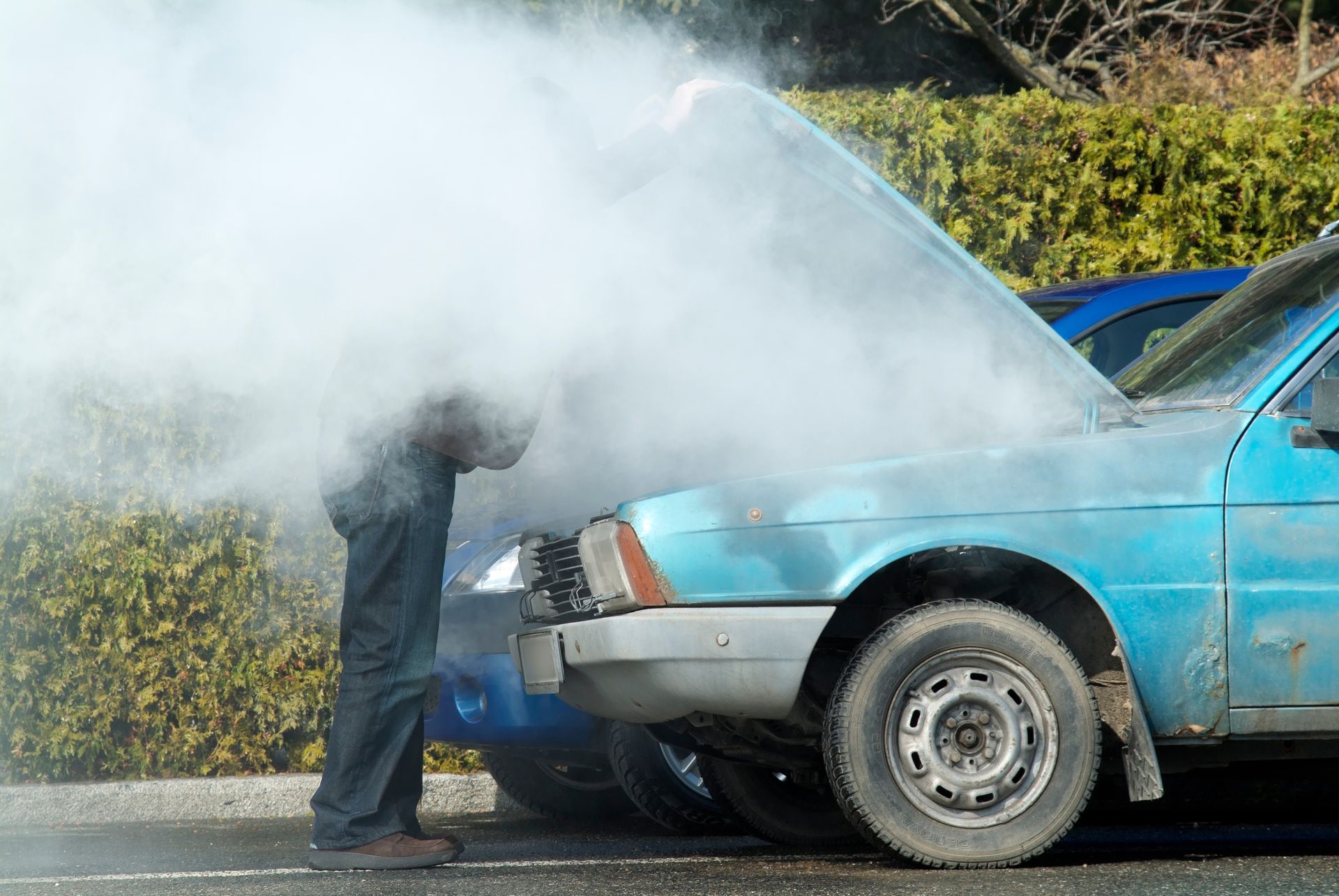
Marietta Auto Repair in Marietta, GA, explains what smoke under your car’s hood could mean and which components to check first.
Are Your Brakes Dragging and Making Noises? 6 Signs Your Caliper Is Sticking | Marietta Auto Repair
November 28, 2025
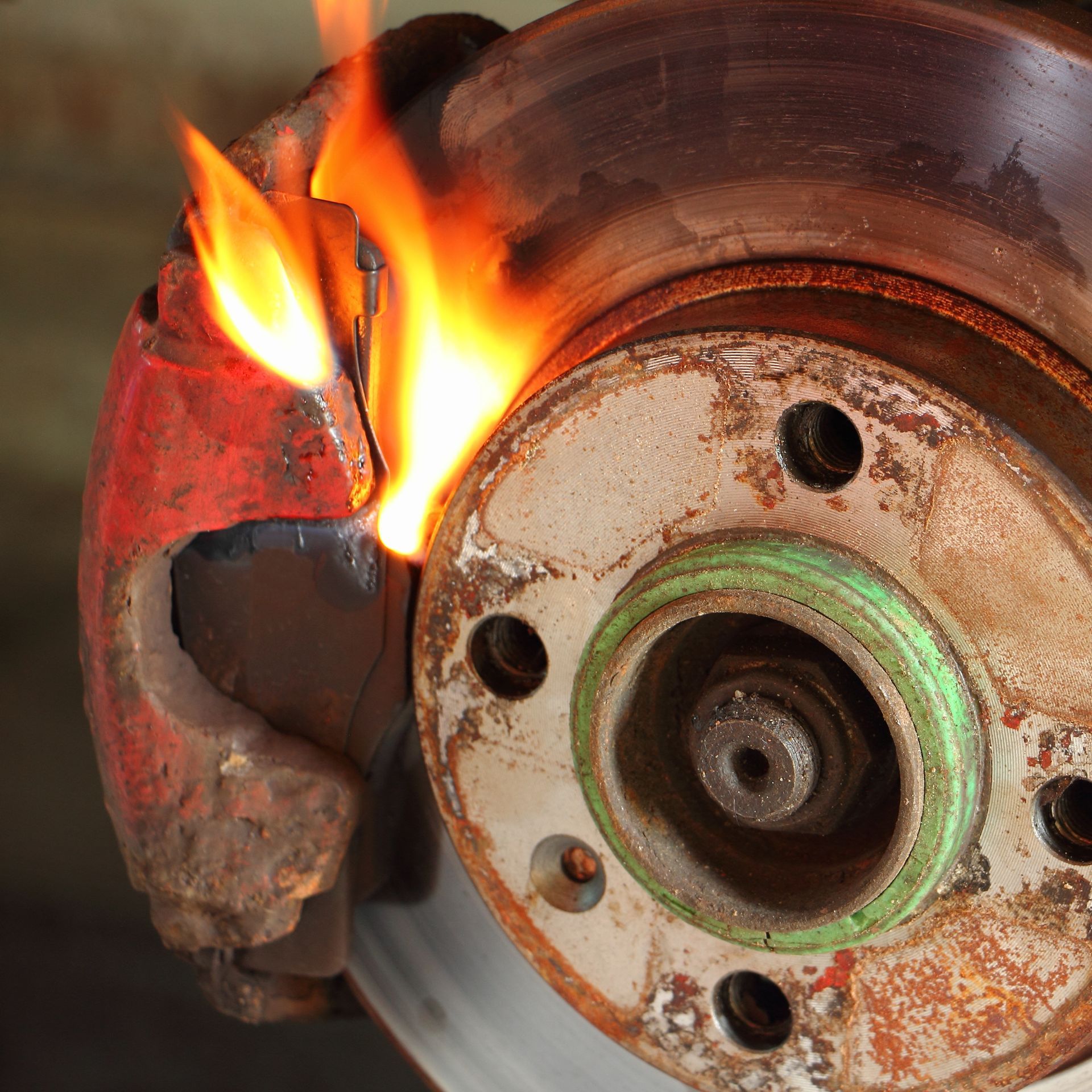
Marietta Auto Repair in Marietta, GA, shares six signs that noisy, dragging brakes may be caused by a sticking caliper.
Slipping Gears? What It Feels Like and Why It Happens | Marietta Auto Repair
October 31, 2025
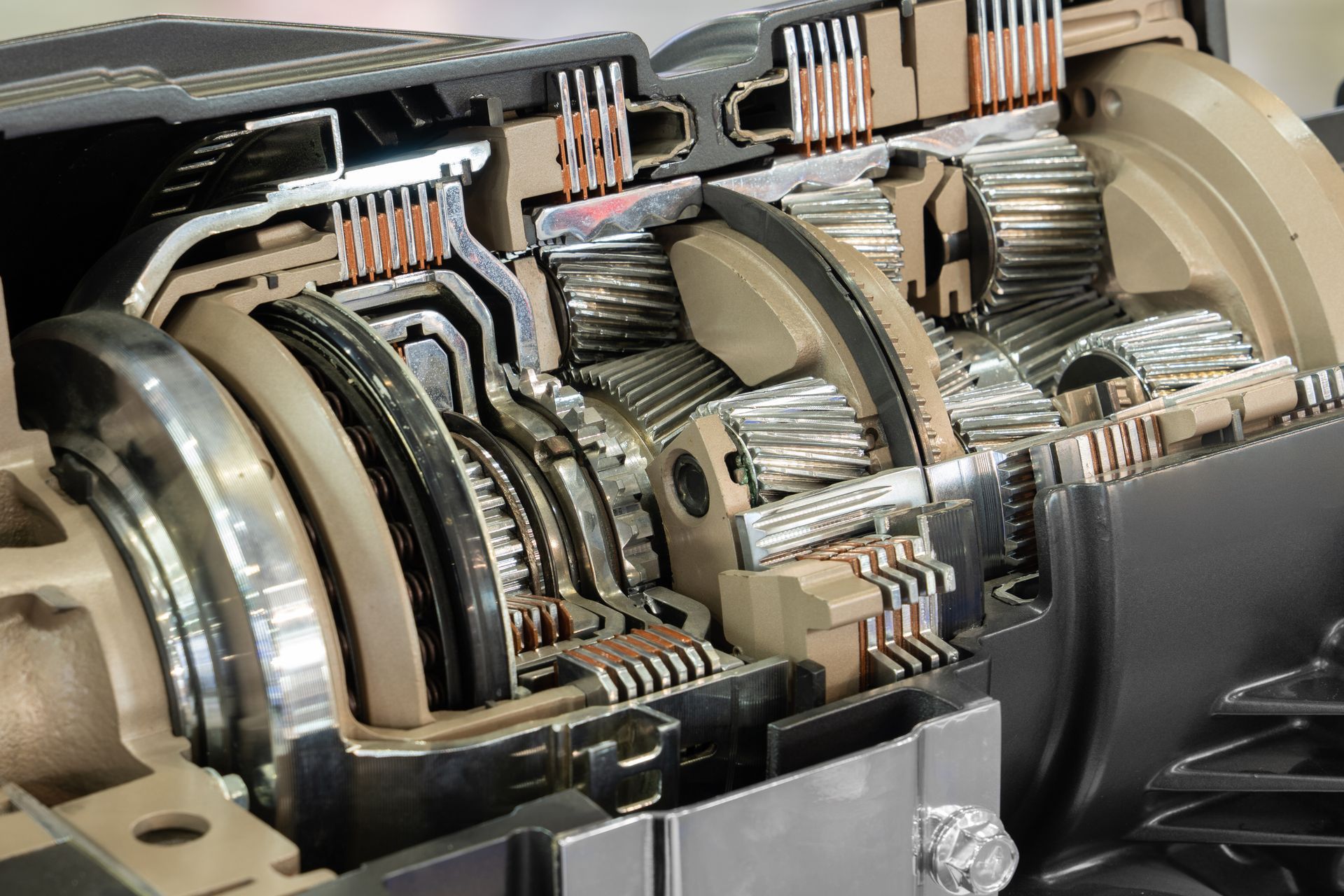
Marietta Auto Repair in Marietta, GA, explains what gear slipping feels like and what it means for your transmission’s health.
Why Does Your Car Idle Roughly When the Engine Is Cold? | Marietta Auto Repair
September 26, 2025
Marietta Auto Repair in Georgia explains the causes of rough idling during cold starts and how to fix it before damage occurs.
What’s the Best Way to Prep My Car for Fall? | Marietta Auto Repair
August 29, 2025
Marietta Auto Repair in Marietta, GA, explains the best ways to prepare your car for fall weather and changing driving conditions.
What’s That Sudden Jolt When My Car Shifts Gears? | Marietta Auto Repair
July 28, 2025
Shifting gears should be smooth and almost unnoticeable in a healthy vehicle. So if you feel a sudden jolt or jerk when your car shifts, it’s not something to ignore. A sudden jolt during shifting can be a sign of transmission trouble, worn parts, or other related issues that could lead to bigger (and more expensive) problems if left untreated. Let’s explore what might be causing this jolt and what you should do about it. The Role of the Transmission Your transmission is responsible for transferring power from the engine to the wheels. It adjusts the gear ratios to help your vehicle accelerate smoothly, maintain fuel efficiency, and operate at different speeds. A properly functioning transmission should make these gear changes almost seamless. When jolts occur, it’s usually a sign that something has gone out of balance or started to wear out. Common Causes of Sudden Jolts Low or Old Transmission Fluid Transmission fluid lubricates and cools the moving parts inside your transmission. If the fluid is low or degraded, it can’t do its job effectively. Old or contaminated fluid can cause rough or delayed gear shifts, resulting in jolts. Regular fluid checks and changes are crucial to avoid this problem. Worn Transmission Mounts Transmission mounts secure your transmission to the vehicle’s frame and help absorb vibrations. When these mounts wear out or become damaged, shifts can feel abrupt or harsh because the transmission moves excessively during gear changes. Problems with the Torque Converter The torque converter connects the engine to the transmission in automatic vehicles . If it starts to fail, it can cause the vehicle to slip, shudder, or jolt when shifting gears. Faulty Shift Solenoids Shift solenoids regulate the flow of transmission fluid and assist in managing gear changes. When they malfunction, they can cause hard or unexpected shifts. This is often accompanied by other transmission warning signs, like delayed engagement or slipping. Engine Performance Issues Sometimes, what feels like a transmission problem can actually be caused by engine issues. Misfires, faulty sensors, or fuel delivery problems can affect engine power, creating sudden jerks when the transmission tries to shift. Additional Symptoms to Watch For A sudden jolt during shifting is often just one of several signs pointing to a transmission or related problem. You might also notice: Unusual noises, such as grinding or clunking . Delayed response when shifting into gear. Slipping, where the engine revs but the vehicle doesn’t accelerate as expected. Warning lights on the dashboard, like the check engine or transmission light. If you notice these symptoms along with jolting, it’s time for a thorough inspection. Why You Shouldn’t Ignore Transmission Issues Driving with a transmission issue can cause severe damage and lead to a complete transmission failure, which is one of the most expensive repairs a vehicle can need. Addressing small problems early, such as replacing transmission fluid or a worn mount, can save you from major repair bills and keep your car running smoothly and safely. How a Professional Diagnosis Helps Diagnosing transmission problems isn’t something to tackle on your own. Technicians use specialized diagnostic tools to read transmission codes, check fluid condition, and inspect internal components. A professional inspection ensures that the exact issue is identified, so repairs are effective and not just guesswork. Keeping Your Transmission Healthy Routine maintenance is crucial in preventing transmission issues. Regularly checking and replacing fluid, inspecting mounts, and addressing engine issues as they arise can help prolong the life of your transmission. If you frequently drive in heavy traffic or tow heavy loads, you may need more frequent service since these conditions put additional stress on the transmission. Trust Marietta Auto Repair in Marietta, Georgia At Marietta Auto Repair in Marietta, Georgia, we understand how unsettling a sudden jolt during shifting can be. Our skilled technicians are experienced in diagnosing and repairing transmission and related drivetrain issues to restore smooth, reliable performance. If you've noticed a jolt when shifting or any other unusual behavior from your transmission, don’t wait for the problem to get worse. Schedule an inspection with us today and get back to confident, comfortable driving.
Why Is My Car Making a Gurgling Noise After I Shut It Off? | Marietta Auto Repair
June 27, 2025
Marietta Auto Repair in Marietta, GA, explains what gurgling sounds mean after engine shutdown and how to prevent cooling issues.