Brake problems do not always start with grinding. Sometimes it is a faint squeak at the first stop of the morning, a pedal that feels a little different, or a light shake that only happens coming off the highway.
That gray area is where drivers get stuck.
Do you need basic brake service, or is the car already asking for brake repair? The answer depends on what is worn, what is damaged, and whether the system is still functioning as it should.
Brake Service Is For Wear Caught Early
Brake service usually means the system is still in decent shape, but it needs attention before parts wear too far. That can include replacing brake pads on time, checking rotors, servicing caliper slides, inspecting hardware, checking brake fluid, and making sure everything moves freely.
This is the better side of brake work. The pads are low, but they have not damaged the rotors. The fluid is aging, but the pedal still feels normal. The hardware is worn, but nothing has overheated or seized.
During regular maintenance, brake measurements help you plan ahead rather than wait for noise. If the brake pads are getting thin but the rest of the system looks healthy, service may be enough.
Brake Repair Means Something Has Failed Or Gone Too Far
Brake repair usually enters the conversation when wear has started damaging other parts, or when a component is no longer doing its job. Grinding pads, warped or heavily grooved rotors, stuck calipers, leaking brake hoses, soft pedals, and brake warning lights are repair problems.
This is where waiting costs more. A thin pad becomes metal-on-metal contact. A sticking caliper overheats the rotor. Old fluid or a leak changes the pedal feel. The car may still stop, but it may not stop evenly, quietly, or confidently.
We see drivers wait because the vehicle still feels drivable. The problem is that brakes can keep working while they are damaging themselves.
Grinding Is Usually Past The Service Stage
A light squeal can have several causes. Grinding is different. Grinding often means the brake pad material is gone, and the metal backing plate is touching the rotor. Once that happens, the rotor surface can quickly become damaged.
If you hear grinding, do not try to get a few more weeks out of it. The repair may already need pads and rotors. If the caliper has been overheated or the hardware is damaged, the list can grow from there.
Grinding is the brake system's way of saying the early warning window has closed.
A Soft Or Low Pedal Needs Fast Attention
Brake pedal feel matters. If the pedal feels soft, sinks lower than usual, pumps up after a few presses, or changes from one stop to the next, the vehicle needs an inspection before normal driving continues.
That kind of pedal can be caused by air in the lines, old brake fluid, a leak, worn hydraulic parts, or brake components that are not moving correctly. Low brake fluid is especially important because it can point to worn pads or an active leak.
A brake pedal should feel familiar every time you drive. If it does not, the repair cannot wait.
Pulling, Heat, And Burning Smells Are Clues
A car that pulls while braking is not stopping evenly. The cause might be a stuck caliper, a brake hose issue, uneven pad wear, contaminated brake material, a tire problem, or a suspension concern. The direction of the pull and when it happens both matter.
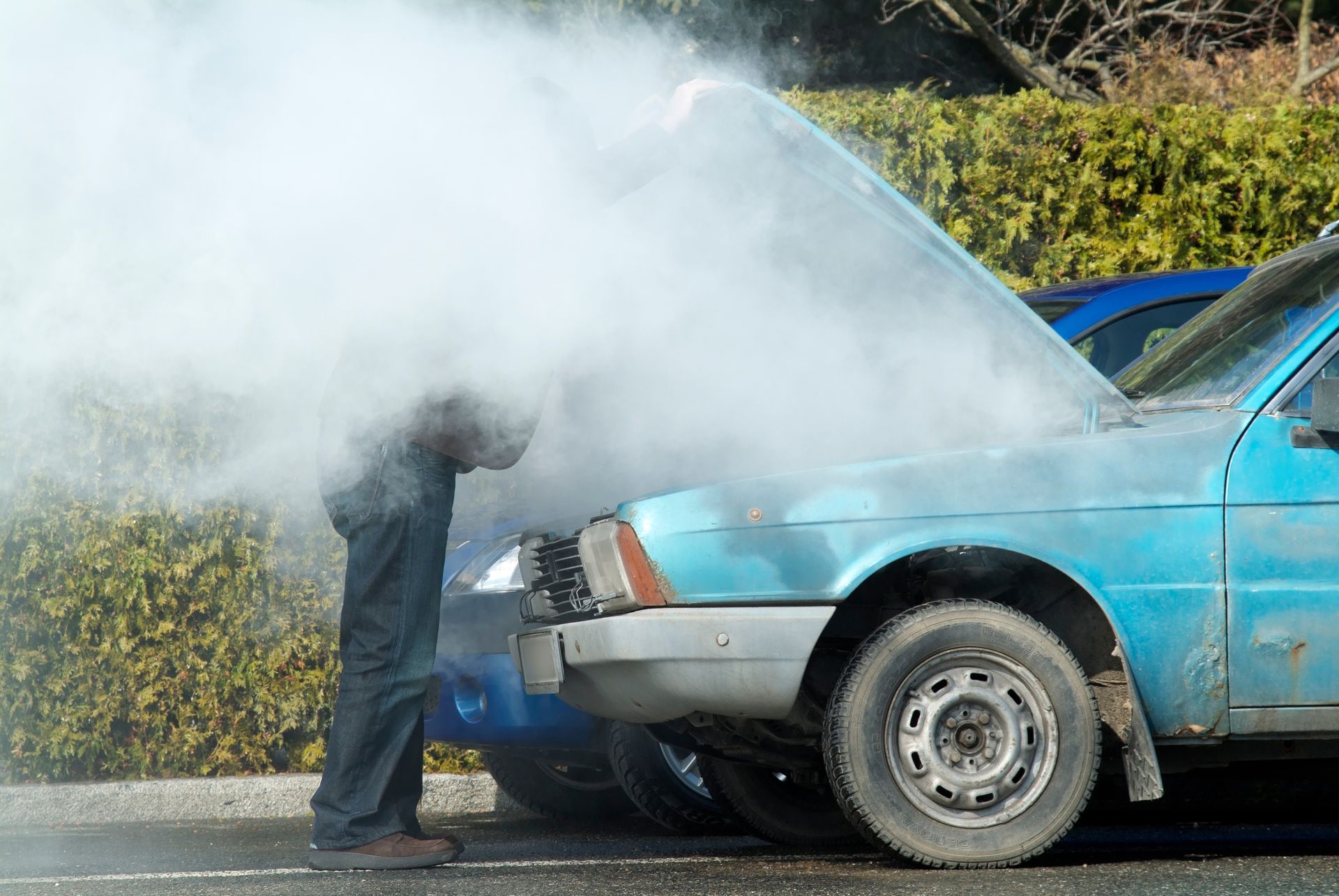
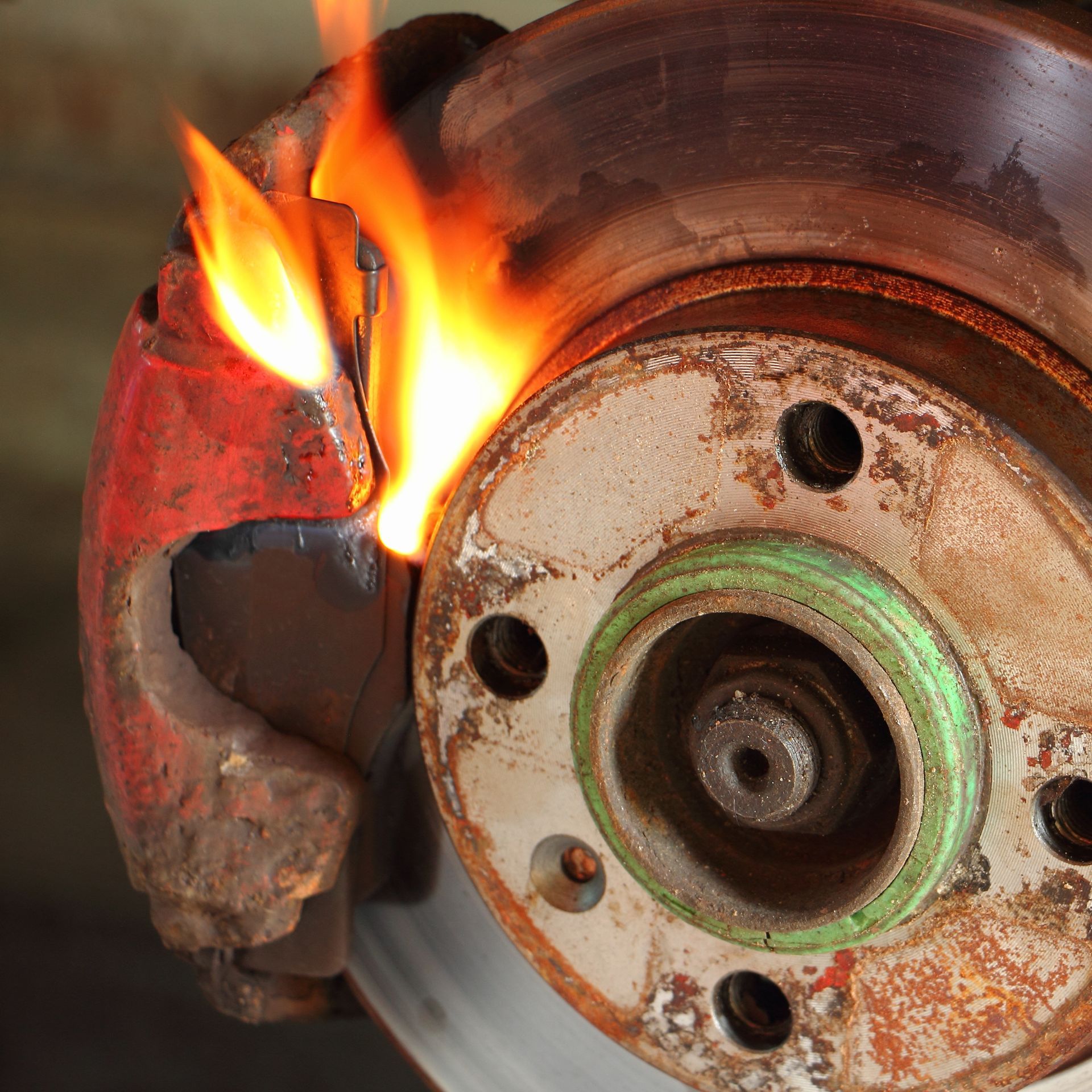
A burning smell near one wheel is another clue. One brake may be dragging even when your foot is off the pedal. That heat can cook the pads, damage the rotor, and stress the caliper.
Our technicians check both sides because comparing wear left to right often tells the truth. One wheel with heavy brake dust, extra heat, or much thinner pads usually has a reason.
Rotor Vibration Can Go Either Way
A brake vibration does not always mean disaster, but it should not be ignored. If the steering wheel shakes when braking from highway speed, the rotors may have uneven thickness, heat spots, or pad material deposits. Worn suspension parts can make the shake feel worse, too.
If the pads still have life and the rotor surface is within spec, service may solve the problem. If the rotors are too thin, deeply grooved, cracked, or overheated, replacement becomes the smarter repair.
This is why measuring matters. Looking at the rotor is useful, but thickness and surface condition decide what can actually be reused.
Brake Fluid Is Part Of The Decision
Brake fluid does quite well until it becomes a problem. It transfers pedal force to the brakes at each wheel. Over time, it absorbs moisture, and that can lower its boiling point and encourage corrosion inside the system.
Old fluid can make the pedal feel less consistent as the brakes heat up. Leaking fluid is more serious and should be handled right away. A wet area near a wheel, brake line, hose, or master cylinder is not something to wait a month for.
Brake service may include fluid maintenance. Brake repair may be needed if the system is leaking or if hydraulic parts are failing.
Get Brake Service And Brake Repair In Marietta, GA, With Marietta Auto Repair
If your brakes squeal, grind, shake, pull, smell hot, or feel different at the pedal, Marietta Auto Repair in Marietta, GA, can check the system and explain whether service is enough or a repair is needed now.
Schedule a visit and get the brakes handled before a small warning turns into a more expensive stop.