A check engine light scan and a full engine diagnostic are connected, but they aren't the same service. A scan retrieves information stored by the vehicle's computer. A diagnostic process interprets that information and tests the mechanical or electrical systems involved. The difference becomes important when a code points toward several possible repairs. A scan gives you a starting point. Finding the actual failed part generally takes more testing.
What a Basic Check Engine Light Scan Includes
A basic scanner communicates with the engine computer and retrieves stored trouble codes. Many readers also display emissions readiness status, and some provide freeze-frame snapshots or limited live information. That data is valuable because it shows what the vehicle's monitoring system detected. The result doesn't necessarily explain why the condition occurred or identify which component needs replacement.
For example, a code for a misfire on one cylinder identifies uneven engine operation at that location. It doesn't automatically point to a bad spark plug, ignition coil, injector, or mechanical fault. Think of a code scan as the start of an inspection, not a finished repair plan.
The code names a condition the computer detected, not necessarily the failed part. Several related codes often need to be considered together, not treated as separate failures on a shopping list.
What a Full Engine Diagnostic Adds
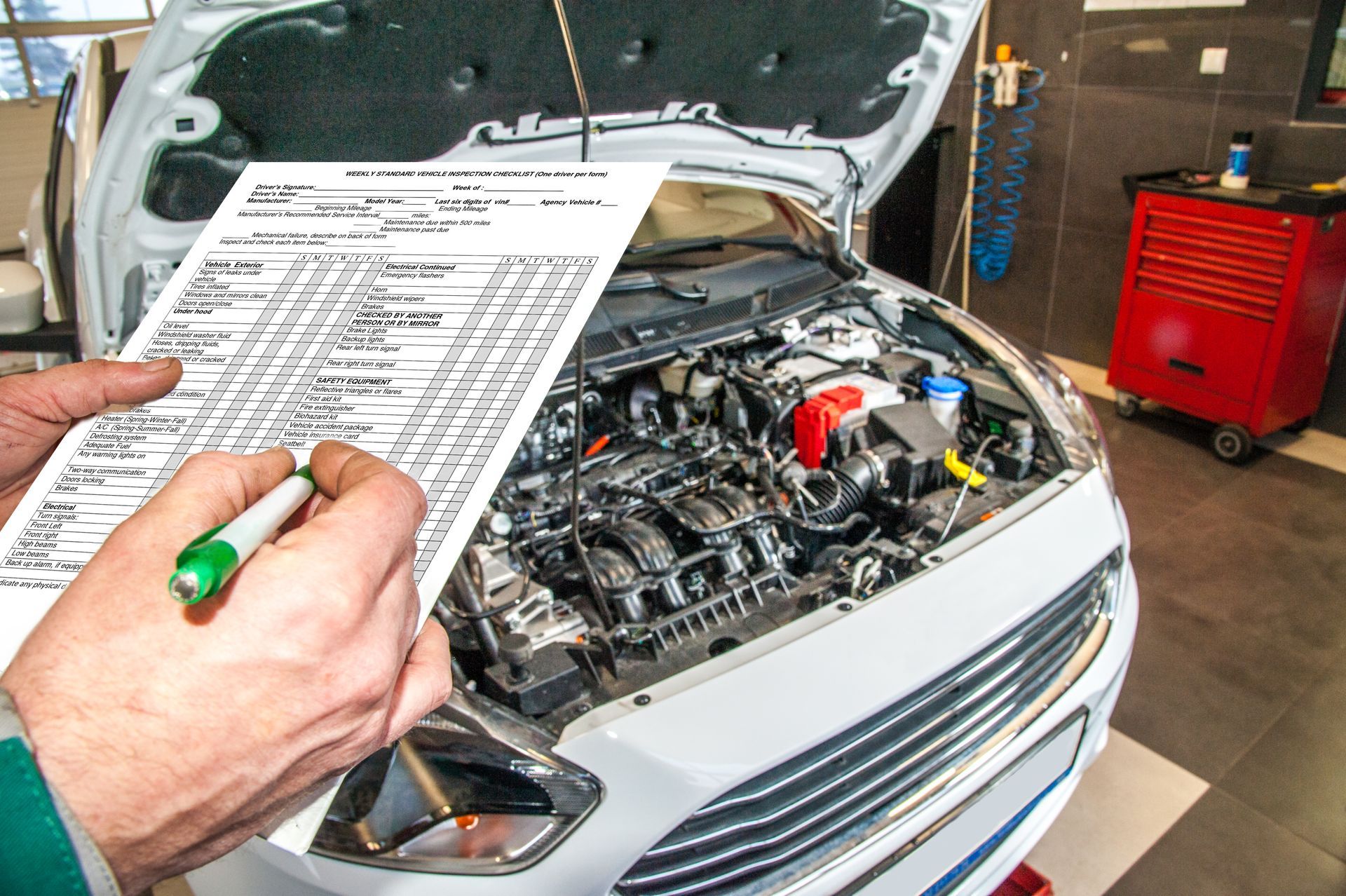
Professional engine diagnostics combine fault information, operating data, vehicle history, and targeted tests. Depending on the symptoms, testing involves voltage checks, intake-leak inspection, fuel-pressure measurement, or compression testing. A problem that appears only under load often requires a controlled road test to reproduce it. Each test is chosen to answer a specific question about what the engine is doing.
Sometimes the cause is straightforward. An intermittent fault takes more work to trace. A loose connector sometimes stands out immediately, while hesitation that occurs twice a month requires testing under different conditions. We explain what the initial evidence supports before recommending more extensive testing. The objective is a repair based on confirmed findings, not an estimate built from a list of codes.
Why Trouble Codes Rarely Identify One Failed Part
A trouble code is a report of an abnormal condition or circuit response. An oxygen sensor code sometimes reflects bad wiring, an intake leak, or an incorrect mixture that the sensor detected accurately. Similarly, a turbocharger boost code sometimes comes from a loose hose or faulty control actuator. Replacing the part named in the code description is often a tempting but unreliable shortcut.
We compare commanded and actual readings, then verify the physical system. Does a component receive the expected electrical power? Is the fuel mixture changing because of a leak? These are diagnostic questions a code can't answer by itself. Good maintenance records can shorten the search when a symptom began after recent service or when a component has already been replaced.
Live Data and Freeze Frames Add Valuable Context
Freeze-frame records capture selected readings when a fault was stored. Live data shows how sensors and control systems respond while the engine operates. Those readings help reveal conditions such as unusual temperatures, incorrect fuel trims, or pressure changes. A single abnormal reading rarely tells the whole story. The same value appears for different reasons on different engines.
The most revealing data is often recorded under the same driving conditions that triggered your warning. An idle-only check doesn't reproduce every fault. A car that hesitates during a cold start needs a different test sequence from one that loses power after a long climb.
Reproducing the symptom safely is often the most effective way to connect an electronic warning with an actual mechanical problem. Random component replacement can't provide that confirmation.
Why the Cost of Diagnostics Varies
An obvious, repeatable fault often takes less testing than a symptom that appears only once every couple of weeks. Equipment access, vehicle design, and required disassembly also affect the work. Some faults need specialized measurements or manufacturer procedures beyond a general-purpose scan tool. That's why a flat promise to identify every check engine light with one free scan is unrealistic.
An inspection estimate should clarify what is included and when additional authorization would be needed. Owners need a clear explanation before expensive work begins. A professional diagnostic fee covers testing and interpretation, not just connecting a reader to the vehicle. Paying for proper testing often saves you the cost of several unnecessary parts purchases.
When to Act on a Check Engine Light
A steady light with normal engine operation still requires a timely inspection, especially before emissions testing or a long trip. A flashing light with rough running is more urgent because a severe misfire can damage the catalytic converter. Stop safely if the engine shakes badly, overheats, or loses power in traffic. Continuing to drive just to see if the light goes away can make the problem worse.
Bring this information to the appointment:
- The exact code number from any earlier scan
- When the light first appeared
- Recent maintenance or repairs
- Changes in fuel consumption or starting
- Whether the warning flashes or stays steady
A clear symptom description gives the testing process a better starting point. It also prevents repeating checks another qualified shop has already documented.
Verification Is Part of a Complete Repair
After correcting the confirmed fault, we review operating data and repeat the conditions that produced the symptom when it's safe to do so. Certain emissions monitors require additional driving before they report ready. Clearing codes before verifying the repair only delays the next warning when the problem remains. A repair is complete when the vehicle operates as intended, and the underlying problem has been addressed.
The distinction is straightforward: a scan tells us what the computer noticed, while diagnostics establish why it happened. Both have a place in modern service. A well-planned inspection makes the difference between understanding the problem and simply putting another new part on the engine.
Get Check Engine Light Diagnostics in Marietta, GA, With Marietta Auto Repair
Marietta Auto Repair in Marietta, GA, performs check engine light inspections and targeted engine testing for drivability concerns. You'll see the fault information and the evidence behind each recommendation.
Call
Marietta Auto Repair or schedule an engine diagnostic appointment online.